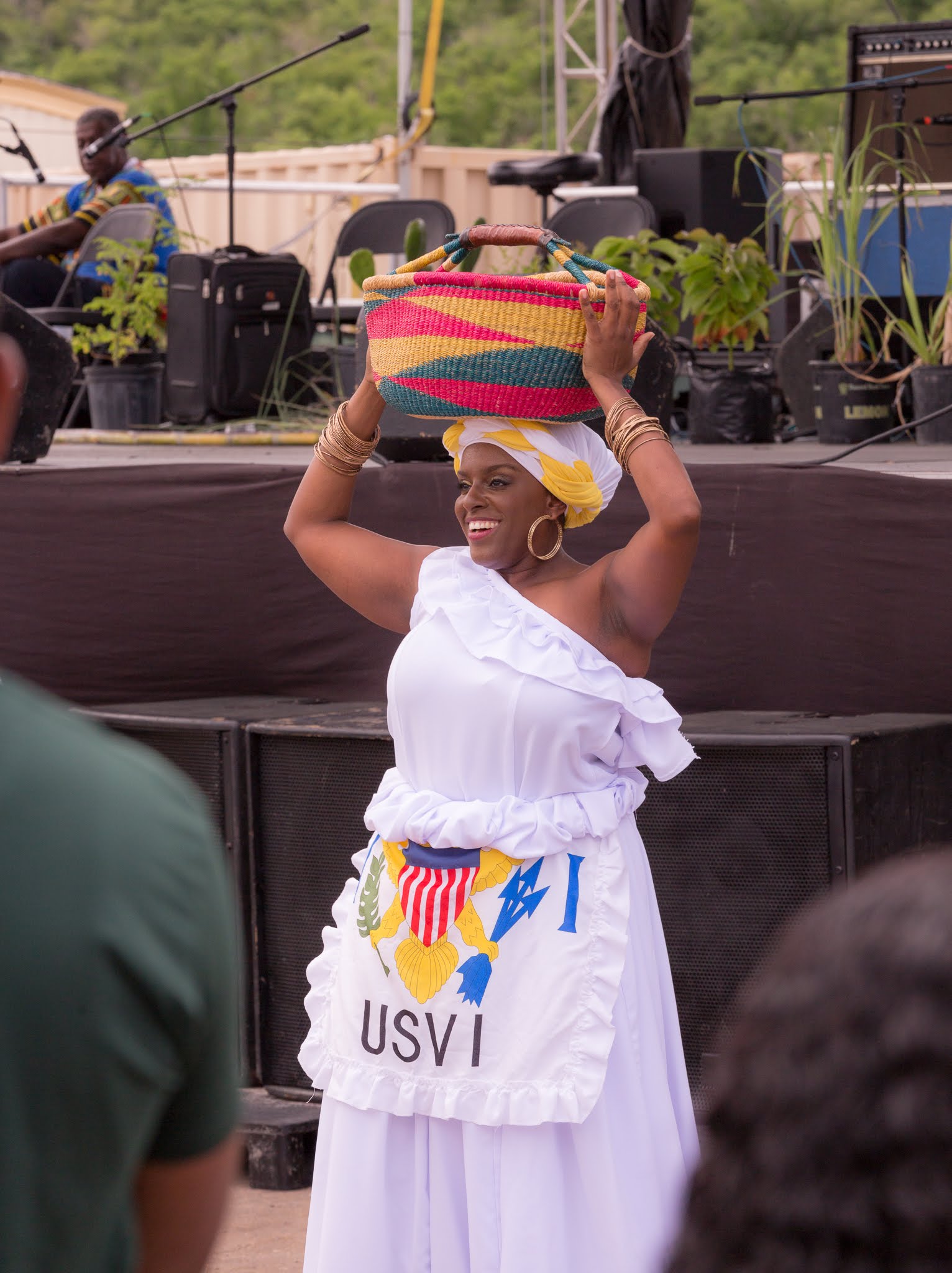
When a celebration of freedom becomes bigger than the history that created it, we have to ask whether we’re still remembering what we’re celebrating.

Every year throughout the Caribbean, we gather for Carnival, Festival and celebrations that have become some of the biggest cultural events in our communities. People plan vacations around them. Those of us who live away from home buy plane tickets months in advance. Hotels and villas fill up, restaurants get busy, artists perform, promoters throw parties, and thousands of people line the streets to watch parades that generations of families have grown up with.
There is something beautiful about that. There is something powerful about seeing people come home and watching visitors experience our islands, our music, our food and our traditions. These celebrations create memories, strengthen communities and generate real economic opportunities for people who live there.
But the recent conversation surrounding the 2026 Virgin Islands Emancipation Festival in the British Virgin Islands made me think about something much bigger than the parade itself.
Some of the discussion following this year’s Festival focused on whether costumes had become too revealing. The conversation quickly became a debate about what is appropriate, what is traditional and what Carnival is becoming. I understand why people are having this discussion, but I don’t believe the amount of fabric in someone’s costume is the most important issue facing Caribbean culture.
The question I’m more interested in is this:
What happens when a cultural celebration becomes so big and so successful that we begin forgetting what we’re actually celebrating?
The Word “Emancipation” Has to Mean Something
The British Virgin Islands doesn’t simply have a summer festival. It celebrates the Virgin Islands Emancipation Festival, and I think we sometimes move past that first word too quickly.
Emancipation.
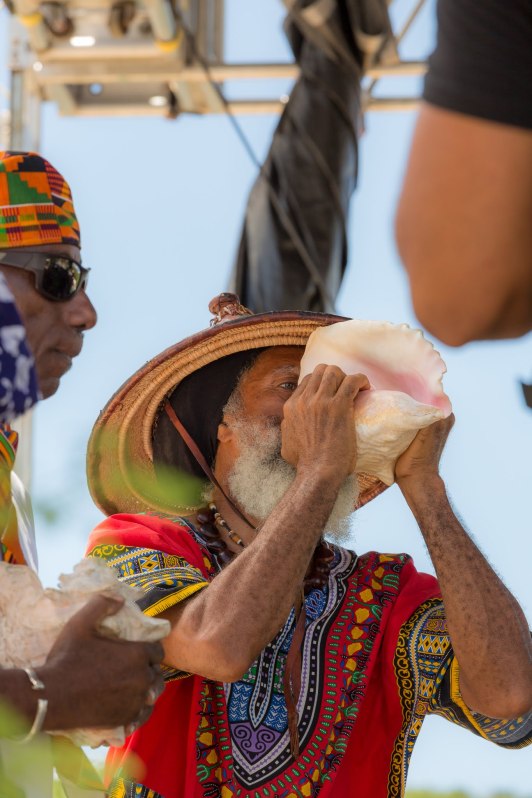
There is an enormous amount of history contained in that word. It represents freedom from slavery, but it also represents what generations of Caribbean people did with that freedom. They built families and communities. They created institutions. They developed music, food, dance, storytelling and traditions. They found ways to create joy after generations of people had lived within a system specifically designed to deny them their humanity.
That history is underneath everything we’re celebrating.
So instead of beginning the conversation by asking whether someone’s costume is too revealing, I think there’s another question we should be asking. If you stopped a 15-year-old standing along the parade route and asked, “Why do we celebrate Emancipation Festival?”, what would they say?
Ask someone who bought a ticket to the biggest concert of Festival week. Ask someone who flew in from New York or Miami. Ask a visitor experiencing Festival for the first time. For that matter, ask some of us who grew up in the Caribbean.
Would we be able to explain why we’re celebrating?
If the answer isn’t clear, then we have a much bigger issue than what anyone is wearing.
Culture Is Supposed to Change
I also don’t believe the answer is to tell young people that Carnival needs to look exactly the way it did 30, 40 or 50 years ago. That’s not how culture works.
Every generation changes the culture it inherits. Our grandparents’ Festival wasn’t exactly the same as our parents’ Festival, and the Festival we grew up with isn’t going to be exactly the same one our children create. The music changes. Fashion changes. Language changes. Technology changes. The way people socialize changes. The way people travel changes. All of those things eventually show up in the celebration.
That’s not necessarily a bad thing. In fact, that’s one of the ways we know a culture is alive.
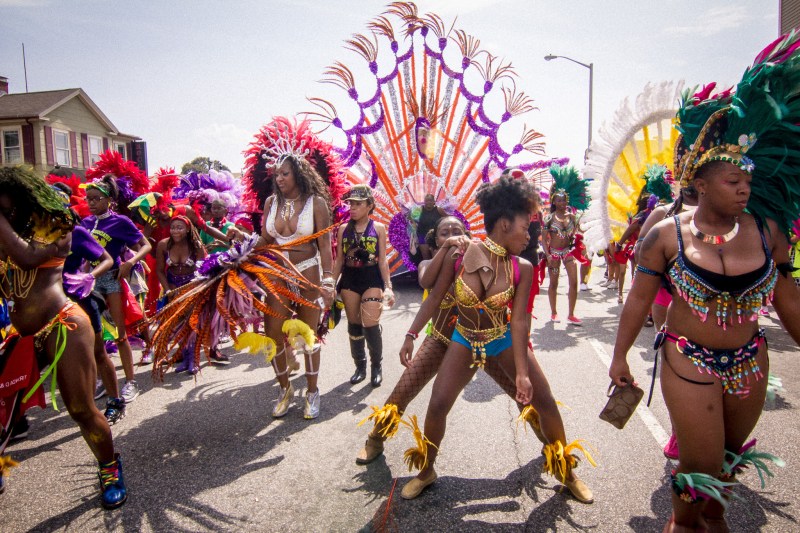
I want young Caribbean people to add something to the culture. I want them to remix it, question it and create traditions that will eventually become their own memories. They should make music that reflects their generation. They should design costumes differently. They should use technology in ways previous generations couldn’t imagine.
The problem isn’t that Festival changes.
The problem is when Festival changes without people understanding what they’re changing.
There’s an important difference between the two.
When Culture Becomes Entertainment
This is where I think the conversation gets more complicated.
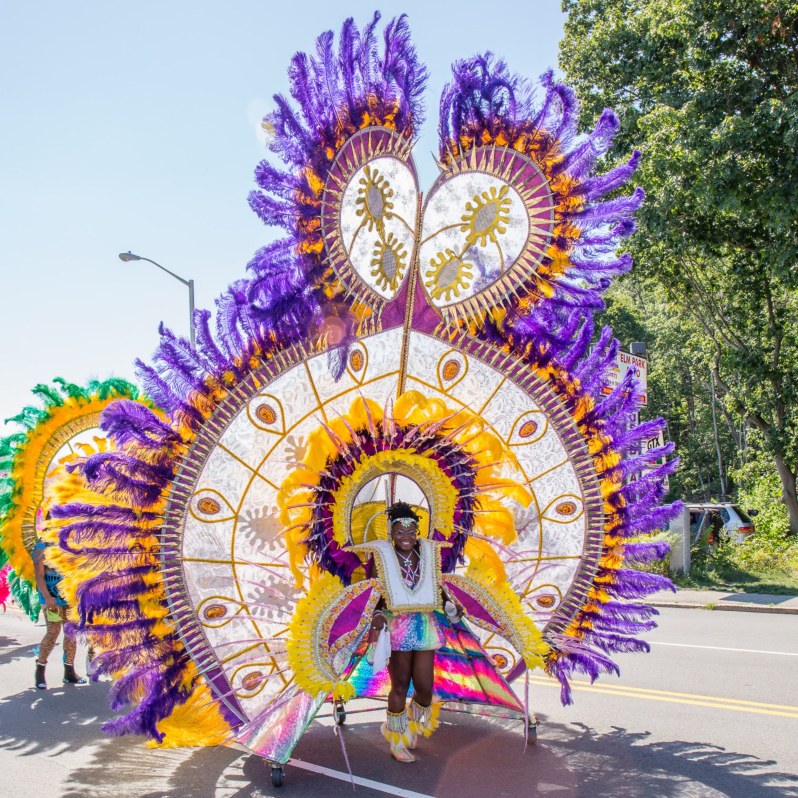
Carnival and Festival have become significant economic engines throughout the Caribbean. Airlines sell tickets. Hotels and villas sell rooms. Restaurants fill tables. Taxi drivers make money. Artists get booked. Promoters sell tickets. Vendors sell food. Governments invest significant resources because these celebrations attract visitors and generate economic activity.
We should want that.
Our culture has economic value, and Caribbean people should benefit financially from the culture Caribbean people created.
But we also have to pay attention to what happens when the economics of Festival begin determining the meaning of Festival.
If the biggest international artist gets more attention than the local musicians who helped create the sound, what message are we sending? If the parties receive more promotion than the cultural events, what will visitors believe Festival is about? If we’re spending more time developing experiences for tourists than teaching our children why the celebration exists, what will be left two generations from now?
Eventually, the things we put on the biggest stages, spend the most money promoting and feature most prominently in our marketing become the things people believe are most important.
That’s why this conversation isn’t about being against concerts, parties or tourism. I enjoy all of those things. The question is whether we can grow Festival as an entertainment product without shrinking its cultural meaning.
This Conversation Doesn’t Stop in the BVI
The British Virgin Islands happens to be where this particular conversation is taking place right now, but this isn’t exclusively a BVI issue.
You could have versions of this conversation throughout the Caribbean—the U.S. Virgin Islands, Trinidad and Tobago, Barbados, Antigua, St. Lucia, St. Kitts and Nevis, Jamaica and elsewhere. Every island has its own history and traditions, so we shouldn’t pretend every Carnival means exactly the same thing. But many of our communities are dealing with the same challenge: how do we allow cultural celebrations to grow while making sure the history grows with them?
And then there’s the Caribbean diaspora.
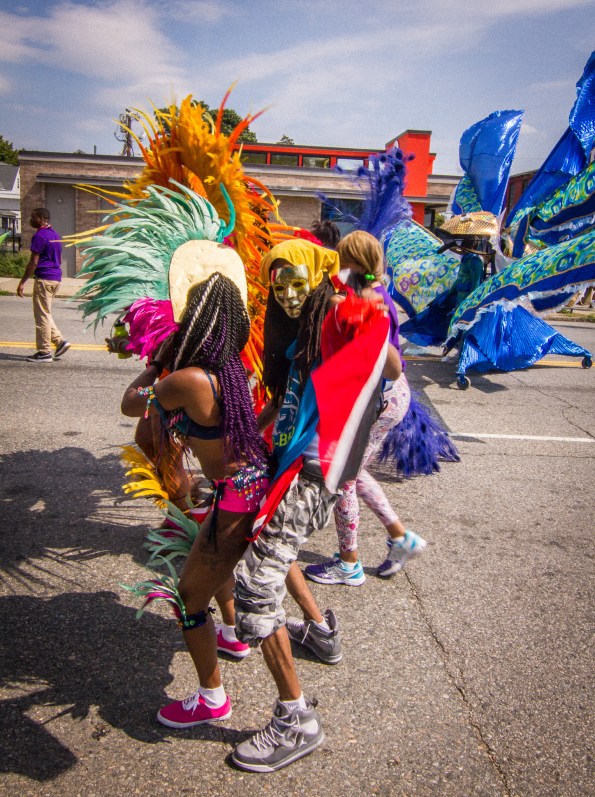
We carried these celebrations with us when Caribbean people migrated. You can see that history in Brooklyn, Miami, Toronto, London, Boston, Washington, D.C., Atlanta and communities around the world. The flags came with us. The food came with us. The music came with us. Carnival came with us.
I’ve always found that remarkable because it demonstrates that culture can survive geography. You can be thousands of miles away from the island your family came from and hear a particular rhythm, smell a particular food or see your flag coming down the street and immediately understand that you’re connected to something.
But there’s a responsibility that comes with that.
The farther culture travels from its point of origin, and the bigger the celebration becomes, the more intentional we have to be about bringing the story along with it.
Otherwise, it’s possible to inherit the celebration without inheriting the meaning.
Maybe Festival Should Be One of Our Biggest Classrooms

This is where I believe we have an opportunity.
Instead of spending so much time discussing what we should remove from Carnival, what if we started thinking about what we could add?
Imagine if every troupe participating in a parade had an opportunity to explain the story behind its presentation. Imagine QR codes along a parade route that allowed someone to learn about emancipation, local heroes, traditional characters, music and the history of Festival while they’re standing there watching it.
Imagine schools spending the weeks leading up to Festival having students interview grandparents and elders about what the celebration looked like when they were young. Imagine those interviews becoming part of a digital archive so those stories aren’t lost when our elders are no longer here to tell them.
Imagine cultural exhibitions inside Festival Village. Imagine local artists being commissioned to reinterpret important moments from Virgin Islands history. Imagine musicians sampling oral histories and traditional rhythms to create something entirely new.
That’s not turning Carnival into a history class.
It’s recognizing that Carnival already is one.
A parade can teach history. A moko jumbie can teach history. Calypso can teach history. Food can explain migration. Music can explain resistance. A costume can tell the story of a place, a person or an event.
The question is whether we’re intentionally creating those connections.
Protecting Culture Doesn’t Mean Freezing It
When we talk about protecting culture, people sometimes assume we’re talking about putting traditions behind glass and preventing anyone from changing them.
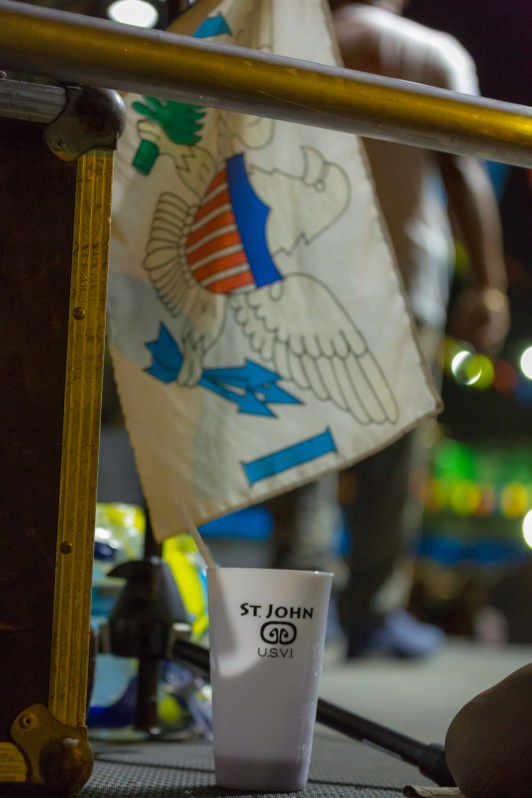
That’s not what Protect Our Culture means to me.
Culture survives because people use it. We cook it, wear it, dance with it, argue about it, laugh about it, teach it and change it. That’s what makes culture different from an artifact sitting in a museum.
Protecting culture means maintaining the connection between what something was, what it is and what it is becoming.
That’s the responsibility we have to the next generation.
Because the young people jumping in the parade today are eventually going to become the elders explaining Festival to their grandchildren. I hope they tell them about the music, the parties, the costumes and how much fun they had. Those memories matter too.
But I also hope they can explain why their ancestors celebrated freedom. I hope they know something about the people who preserved the traditions before them. I hope they understand the music and the characters. I hope they understand the struggle that existed before the celebration.
And then I hope they add their own chapter.
The goal shouldn’t be to make the next generation celebrate exactly the way we did. The goal should be to make sure they understand enough about where they came from to make thoughtful decisions about where the culture goes next.
So What Is Carnival Supposed to Protect?
Maybe what we’re really protecting is memory.
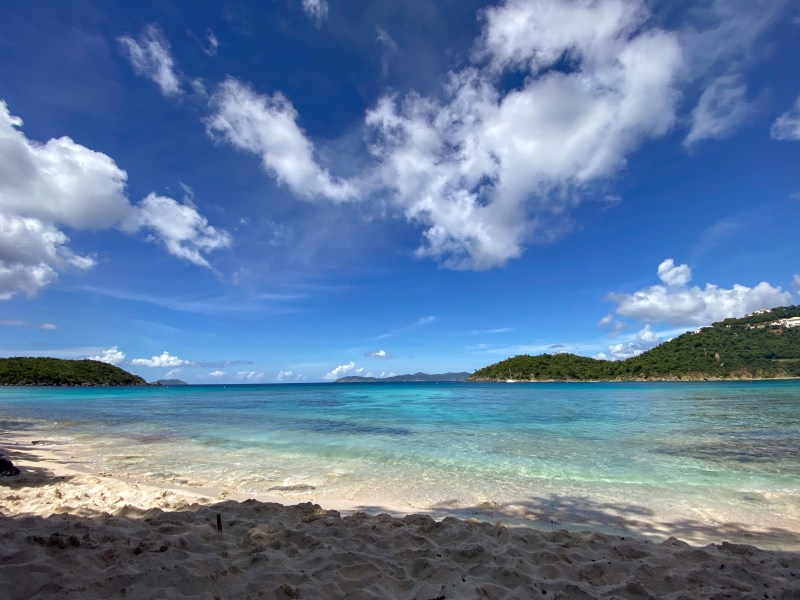
Not nostalgia. Memory.
The memory of people who survived. The memory of people who resisted. The memory of communities that found ways to create joy under circumstances designed to deny them joy. The memory of the people who took freedom and built traditions that their descendants are still celebrating generations later.
That’s why I think the conversation happening in the British Virgin Islands is much bigger than a debate over costumes.
Every community that successfully builds a cultural tradition eventually faces the same challenge. The celebration gets bigger. It attracts more people. More money enters the picture. Tourism grows. The event becomes global. And eventually a generation can arrive that knows exactly where the party is, but doesn’t necessarily know why the celebration started.
That’s the moment when protecting culture matters most.
Not because culture shouldn’t change.
It should.
But because we should never become so busy celebrating our culture that we forget why our ancestors gave us a reason to celebrate in the first place.
 Protect Our Culture — Stories