There are sneakers that remind you of a particular year.
DJ OakCliff713
Then there are sneakers that remind you of what was possible.
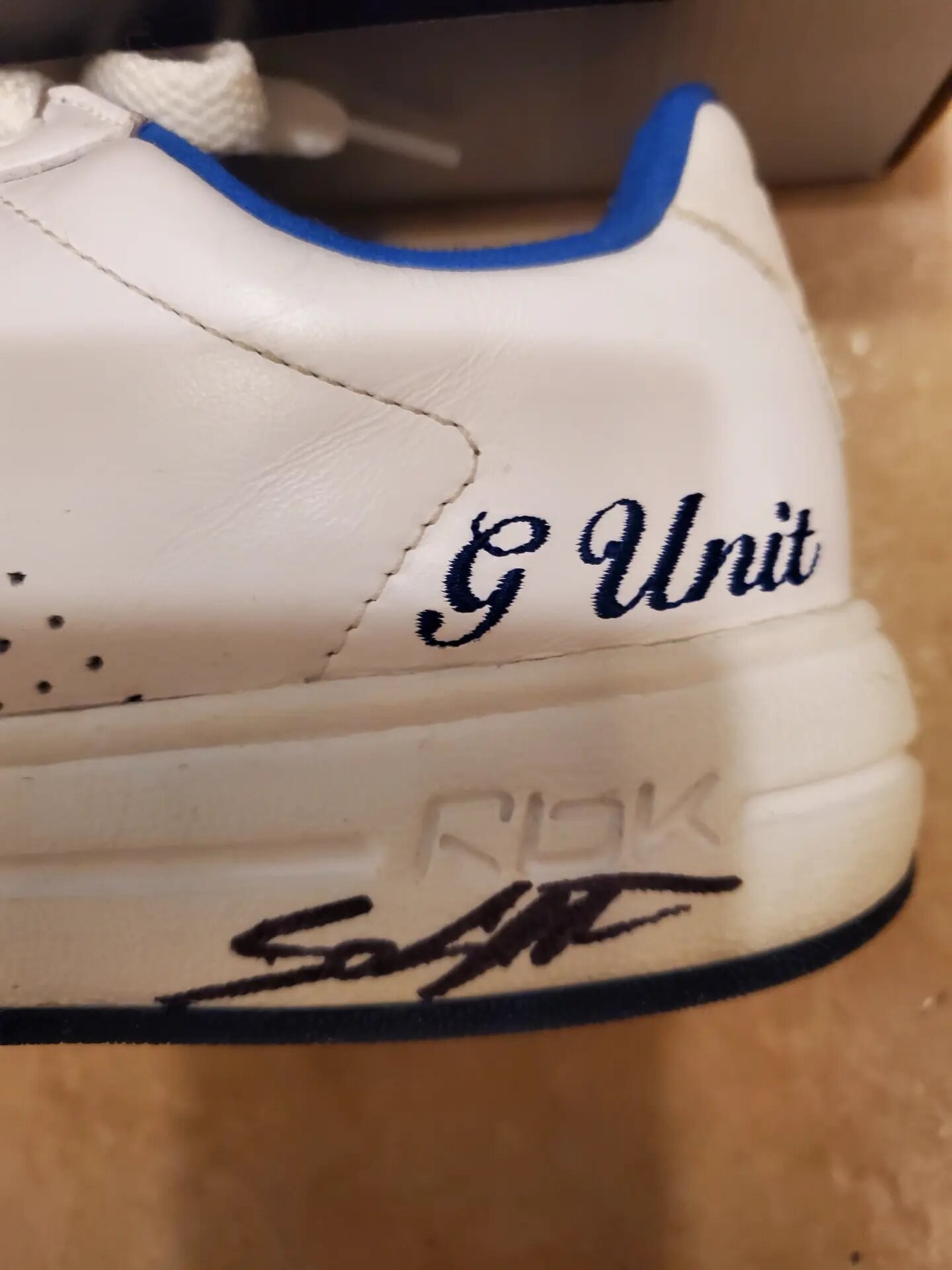
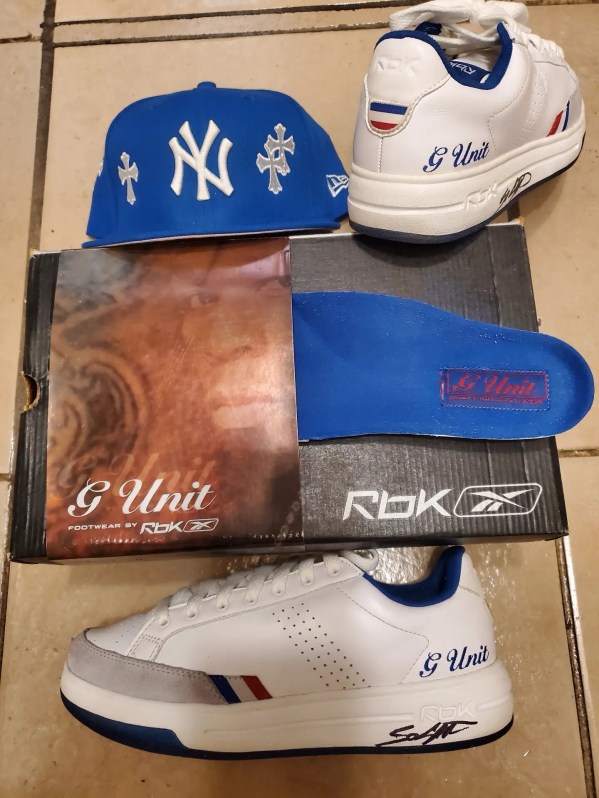
The Reebok G-Unit G6 belongs in the second category.
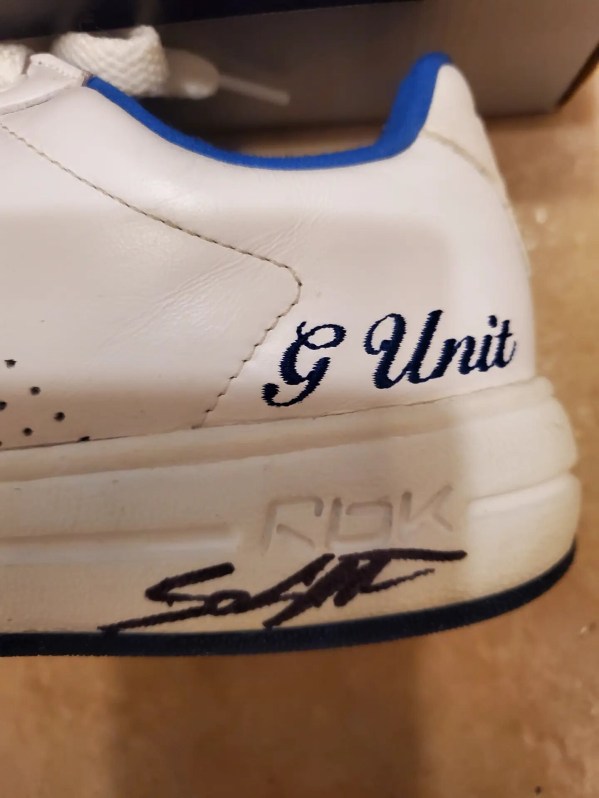
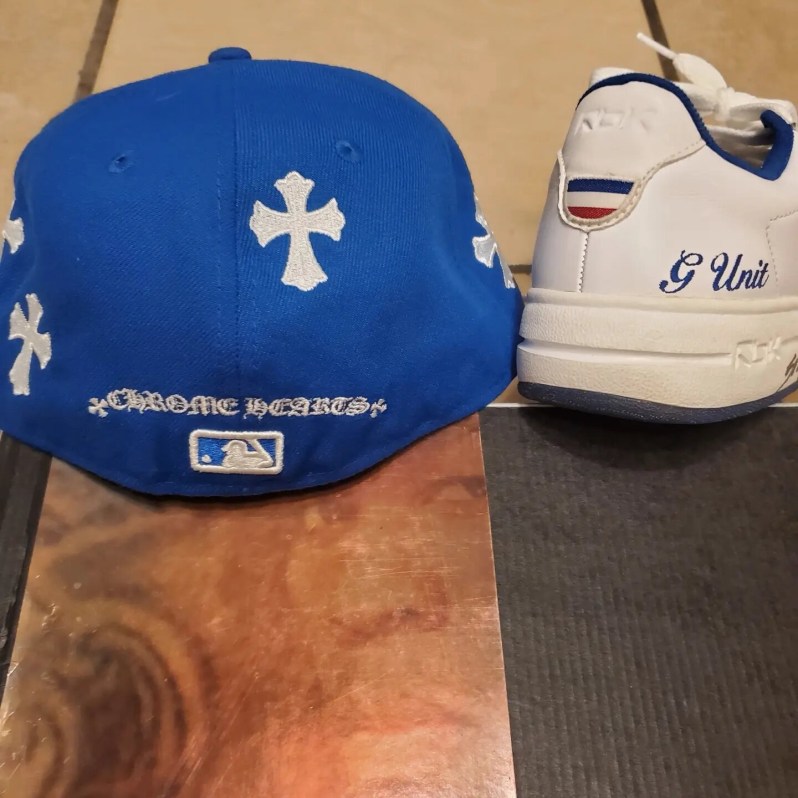
More than two decades after its original release, 50 Cent and Reebok have brought the G6 back in its original white, red and blue colorway. The 2026 version is intentionally faithful to the shoe that arrived in 2003: white leather, grey suede, G-Unit branding, the G-6 lace piece and the unmistakable aesthetic of early-2000s Hip Hop.
But if all we see is an old sneaker returning, we’re missing the story.
The G6 represents one of the most important periods in the relationship between Hip Hop and the athletic footwear industry.
Because in 2003, Reebok did something different.
It didn’t just use rappers to sell sneakers.
It gave rappers sneakers of their own.
2003 Was Different
To understand the G6, you have to remember what was happening around 50 Cent.
Get Rich or Die Tryin’ arrived in February 2003 and became one of the defining albums of the era. 50 wasn’t simply another successful rapper. G-Unit was becoming an ecosystem: music, mixtapes, clothing, personalities, language and attitude.
This distinction matters.
When Reebok announced its partnership with 50 Cent in June 2003, the company described it as the “G-Unit Collection by Rbk.” The initial collection would feature court-inspired footwear developed around 50’s personal style.

By November, the G6 was hitting stores.
This came only months after Reebok had introduced Jay-Z’s S. Carter Collection.
Think about how radical that was.
For decades, signature athletic footwear had largely been organized around athletic achievement. Michael Jordan had a shoe because of what he did on a basketball court. Allen Iverson had a shoe because of what he did on a basketball court.
Jay-Z and 50 Cent were different.
Their performance arena is culture.
Reebok recognized that the influence generated inside a recording studio, on a concert stage and in the streets could move footwear just as powerfully as what happened inside an NBA arena.
This wasn’t simply celebrity endorsement.
It’s an acknowledgment of cultural authority.
The Most Important Ingredient Was Authenticity
The reason the G6 worked wasn’t complicated.
People believed it.
50 Cent wearing a G-Unit sneaker made sense because G-Unit already meant something.
The sneaker wasn’t attempting to manufacture a relationship between 50 and Hip Hop culture. That relationship already existed. Reebok simply created a physical product that allowed people to participate in it.
This is the difference between using culture and building with culture.
Consumers can feel the difference.
The G6 arrived at precisely the moment when 50’s music, image, business ambition and G-Unit identity were becoming inseparable. Buying the sneaker wasn’t simply buying a Reebok with a famous person’s name attached to it.
You were buying into G-Unit.
And the numbers showed that cultural credibility could become commercial power.
Reebok reported that U.S. sales of its footwear endorsed by 50 Cent and Jay-Z more than doubled from 2003 to 2004.
That’s important history.
Hip Hop wasn’t a side project for Reebok.
It was moving product.
Reebok Had Figured Something Out
People looking back at this era sometimes describe Reebok as chasing Nike.
That’s too simple.
Reebok had developed a different playbook.
The company called its marketing platform “Sounds and Rhythm of Sport.”
Look at the roster and the idea becomes obvious.
Allen Iverson.
Jay-Z.
50 Cent.
Fabolous.
Jadakiss.
Scarface.
Reebok understood that the young consumer it wanted wasn’t separating basketball from Hip Hop, sneakers from fashion or athletes from musicians.
They were all part of the same cultural conversation.
That understanding seems obvious in 2026.
It wasn’t obvious in 2003.
Today, practically every major athletic footwear company wants relationships with musicians, designers, artists and cultural figures.
Reebok was building that infrastructure more than two decades ago.
And it wasn’t simply putting entertainers in advertisements.
It was creating signature footwear franchises around them.
This is the part the industry should remember.
Then Everything Changed
In August 2005, adidas announced an agreement to acquire Reebok in a deal valued at approximately $3.8 billion. The acquisition was completed in early 2006.
From a corporate perspective, there were obvious reasons for the deal. adidas and Reebok together could create a much larger competitor to Nike, particularly in the United States.
But culturally, something valuable eventually disappeared.
The aggressive music strategy that had made Reebok so interesting in the early 2000s lost its central position.
And I believe that was a mistake.
A horrible one, actually.
Because Reebok had something its competitors spend enormous amounts of money trying to manufacture today:
authentic cultural credibility.
The company had developed genuine relationships inside Hip Hop. It had artists with signature products. It had athletes like Allen Iverson whose influence crossed seamlessly between basketball, music, fashion and street culture.
More importantly, consumers had already validated the strategy.
They bought the shoes.
Imagine what that platform could have become if Reebok had spent the next 20 years developing it instead of allowing that particular music-driven strategy to fade.
What happens if the company that gave Jay-Z and 50 Cent signature sneakers continues identifying artists early?
What does a Reebok Entertainment platform look like through the Kanye era?
The Pharrell era?
The Kendrick era?
The Tyler era?
The rise of streetwear?
The explosion of sneaker collaborations?
We will never know.
But today’s sneaker industry makes one thing clear:
Reebok wasn’t wrong about the relationship between music and footwear. It was early.
That’s Why the G6 Matters in 2026
The G6 returning isn’t important simply because people who owned it in 2003 can buy it again.
Nostalgia sells sneakers every week.
This release gives a younger generation an opportunity to discover a different chapter of sneaker history.
There was a moment when two of the biggest rappers in the world weren’t simply appearing in sneaker campaigns.
Jay-Z had the S. Carter.
50 Cent had the G-Unit G6.
Their names were on the boxes.
Their identities were built into the products.
Their audiences showed up.
Reebok had effectively recognized something that the rest of the footwear industry would spend the next two decades proving:
Cultural influence can be every bit as valuable as athletic performance.
This is why authenticity matters.
You cannot simply find whoever is popular, put a shoe on their feet and expect culture to accept the relationship.
The partnership has to make sense.
The person has to have credibility.
The product has to feel connected to who they actually are.
And the community has to believe it.
The G6 passed that test in 2003.
The fact that people still care about it more than 20 years later tells us everything we need to know.
Protect the History, Not Just the Sneakers
Sneaker culture has a habit of remembering products while forgetting the circumstances that created them.

We remember colorways.
We remember release dates.
We remember what something resells for.
But protecting sneaker culture means protecting the stories behind the objects.
The G-Unit G6 is an artifact from a moment when Hip Hop’s economic influence became impossible for the footwear business to ignore.
It represents 50 Cent at a remarkable point in his career.
It represents Reebok taking a genuine creative and commercial risk.
And it represents an industry beginning to understand that Hip Hop wasn’t simply something that could help market sneakers.
Hip Hop could create sneaker businesses.
That’s the history worth protecting.
So yes, the G6 is back.
But maybe the more important question isn’t whether you were able to get a pair.
Maybe it’s whether the footwear industry remembers the lesson Reebok taught everybody back in 2003:
Don’t just borrow from culture.
Believe in the people creating it.
 Protect Our Culture — Stories