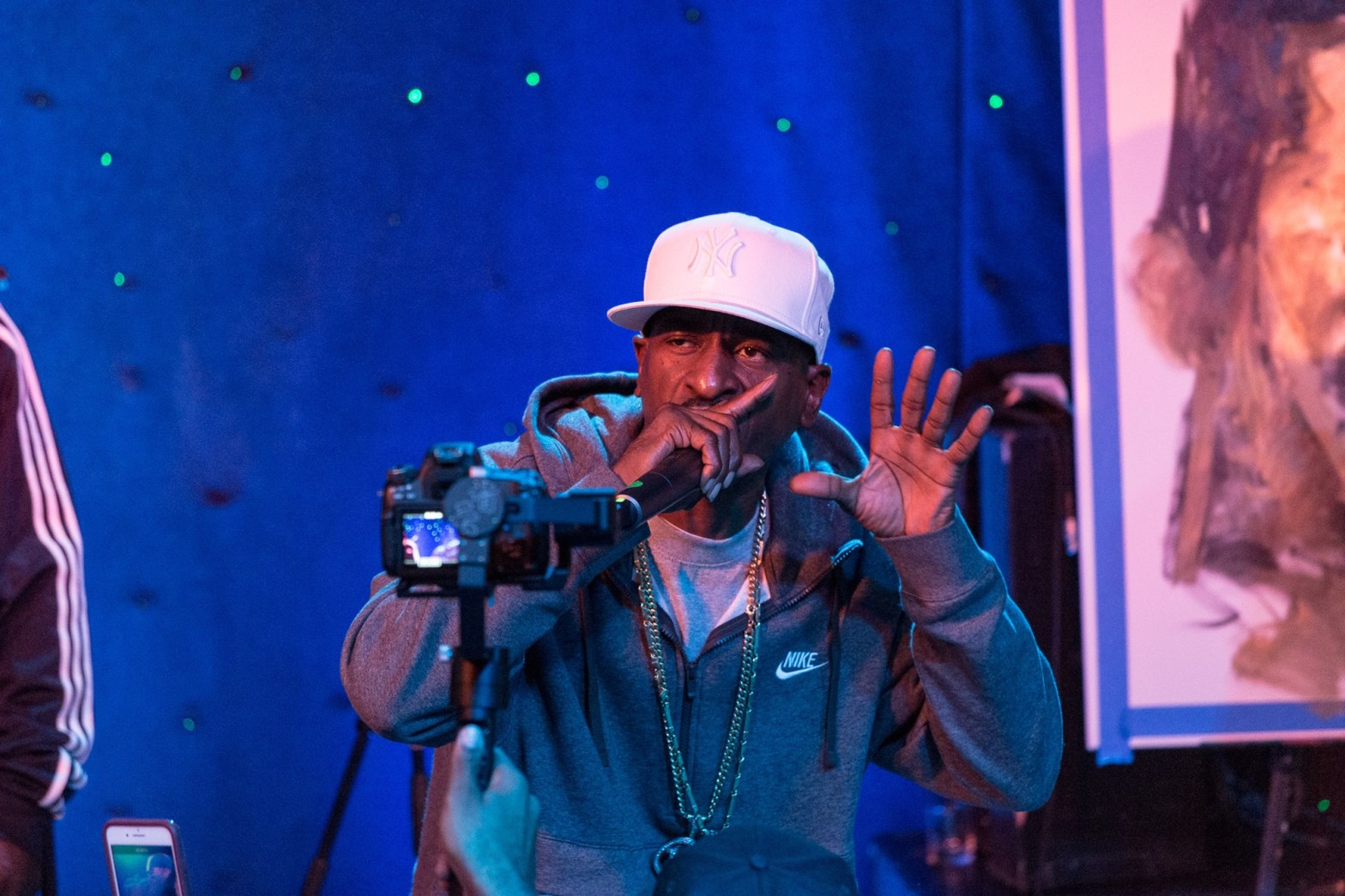
At 53 years old, Hip Hop has reached a point where preserving the culture can’t simply mean waiting for museums, universities and other established institutions to tell us what mattered. We have to build our own rituals for remembering, and support the institutions created from inside the culture to do that work.
There is something interesting happening in Hip Hop right now.
On August 28, 2026, Rick Ross is performing Port of Miami with the Renaissance Orchestra and Sainted Trap Choir as part of a tour celebrating the album’s 20th anniversary. The audience is being encouraged to come dressed in black tie. The music that arrived in 2006 through car speakers, clubs, radio stations and headphones is being rearranged for orchestra and choir and performed inside traditional theaters.
And Rick Ross isn’t alone.
Lil’ Kim recently announced Hard Core Symphony, a one-night performance in Brooklyn this November celebrating the 30th anniversary of her debut album with Thee Phantom & The Illharmonic Orchestra. More than a decade ago, Nas stood inside the Kennedy Center and performed Illmatic with the National Symphony Orchestra.
I look at all of this and don’t simply see rappers performing with orchestras.
I see Hip Hop getting old enough to develop rituals around its own history.
And this raises a question I’ve been thinking about:
At what point does Hip Hop stop asking established institutions to validate it and begin building its own institutions and rituals for preserving important work?
The answer may already be taking shape in places like The Hip Hop Museum in the Bronx.
We Spent Years Asking People to Take Hip Hop Seriously

Anyone who has been around Hip Hop long enough remembers when people weren’t debating which albums belonged in museums.
They were debating whether Hip Hop was music at all.
For years, the culture had to defend itself against people who believed it was a fad. Sampling wasn’t considered musicianship. DJing wasn’t always treated as an art form. Graffiti was vandalism. Breaking was something kids did on cardboard. Sneakers and streetwear weren’t worthy of serious design conversations.
Then something interesting happened.
The culture survived everybody’s predictions about its death.
Hip Hop became one of the most influential cultural forces in the world. Its language entered advertising. Its fashion entered luxury houses. Its artists became entrepreneurs and billionaires. Its music filled stadiums. Breaking eventually reached the Olympics. Sneakers connected to Hip Hop became museum artifacts.
And eventually many of the same types of institutions that once stood outside the culture began inviting Hip Hop inside.
That’s important progress.
But there’s another conversation we need to have now.
Being Invited Inside Isn’t the Same as Ownership
Seeing Hip Hop at the Smithsonian matters.
Seeing Nas perform Illmatic with the National Symphony Orchestra at the Kennedy Center mattered.
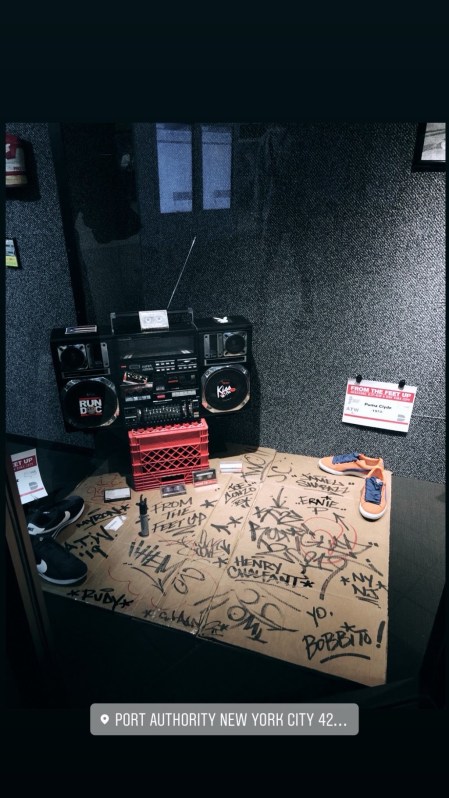
Seeing artifacts from Public Enemy, Grandmaster Flash, Run-DMC and other pioneers protected inside museum collections matters.

The Smithsonian’s National Museum of African American History and Culture has done significant work collecting Hip Hop history, and its Anthology of Hip-Hop and Rap brought together music, photographs, essays and voices from across the culture to document decades of its development.
Those things shouldn’t be dismissed simply because they happen inside established institutions.
We need those institutions.
But we also need something else.
We need Hip Hop to become better at preserving itself.
That is why The Hip Hop Museum matters.
The permanent museum being built at Bronx Point along the Harlem River is scheduled to open in 2027. Its location is important. Hip Hop traveled around the world, but this institution is being planted in the Bronx, the community where the culture began.
That means something.
The Hip Hop Museum isn’t simply another museum deciding that Hip Hop deserves an exhibition. It is an institution built specifically around preserving Hip Hop’s past, participating in its present and helping shape its future.
That’s a fundamentally different proposition.
Its plans extend beyond putting famous objects behind glass. The museum is developing galleries, performance spaces, educational programming, workshops, oral histories and opportunities for people to actually participate in the culture. Its Bronx Hip Hop Education Lab is also working with educators and young people to explore how Hip Hop can be used as a tool for teaching, storytelling and critical thinking.
That is preservation becoming education.
And I think that matters far beyond New York.
From the Bronx to the World
There is a reason The Hip Hop Museum’s location matters so much.
Hip Hop came from somewhere.
We sometimes talk about Hip Hop today as though it simply exists everywhere. A kid in Ghana, Japan, Brazil, France, South Africa, the Caribbean or Houston can encounter Hip Hop without ever visiting New York City.
That’s the power of culture.
It travels.
But when culture becomes global, there’s also a danger that people encounter the expression without understanding the origin.
That’s why having a permanent institution in the Bronx matters to the world.
The Hip Hop Museum can become a cultural compass.
People from around the world can come to the Bronx and understand not simply who sold the most records, but what conditions produced the culture. They can learn about the DJs, MCs, breakers, graffiti writers, photographers, designers, promoters, neighborhoods, technologies and community spaces that made Hip Hop possible.
They can understand that Hip Hop wasn’t invented by a record company.
It wasn’t created by an advertising agency.
It wasn’t launched by a streaming platform.
People created it.
A community created it.
Then the world adopted it.
Preserving that distinction becomes more important the farther Hip Hop travels from its birthplace.
What Makes an Album a Classic?
This is where performances like Rick Ross celebrating Port of Miami become more interesting to me.
Twenty years is enough distance for us to look at an album differently.
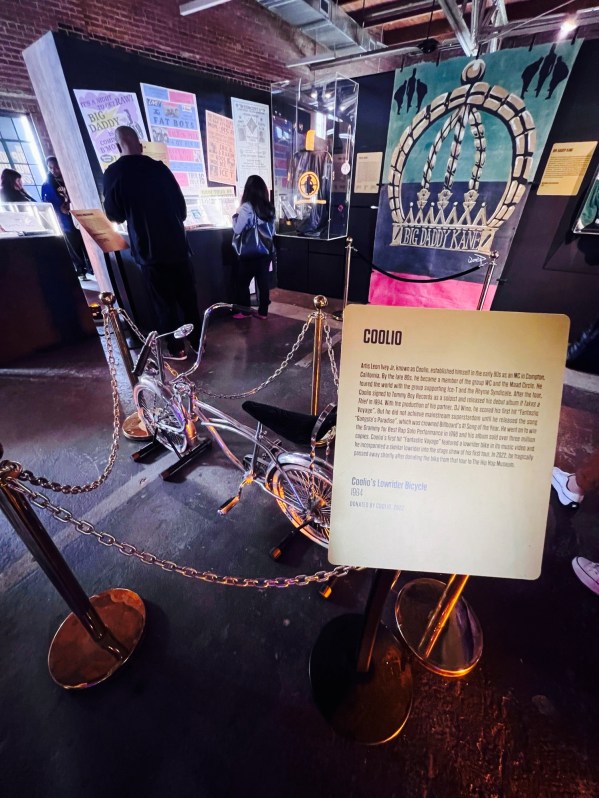
When an album first comes out, we’re judging whether we like it. We’re arguing about singles, production, lyrics, sales and whether it’s better than whatever else came out that year.
Twenty years later, the questions change.
What did the album influence? What did it sound like compared with everything around it? What did it tell us about the city it came from? What language did it introduce? What producers did it elevate? What careers did it create? What did people wear? What cars were they driving? What sneakers were they wearing? What did the videos look like?
And most importantly, what did that album tell us about who we were at that moment?
That’s when an album stops being simply entertainment and starts becoming a document.
Port of Miami is a document of a particular moment in Southern Hip Hop.
Hard Core is a document.
Illmatic is a document.
The question becomes: Who decides which documents deserve to be preserved?
For generations, institutions have answered questions like that for other art forms. Museums determine which paintings enter collections. Universities determine which books get taught. Orchestras determine which composers remain in the repertoire. Archives determine which papers get preserved.
Hip Hop now has enough history that it needs to participate much more intentionally in making those decisions for itself.
The Hip Hop Museum is part of that process. Its very existence says that Hip Hop does not have to wait for somebody else to decide that its artifacts, stories and people are worthy of serious preservation.
Maybe the Orchestra Isn’t the Important Part
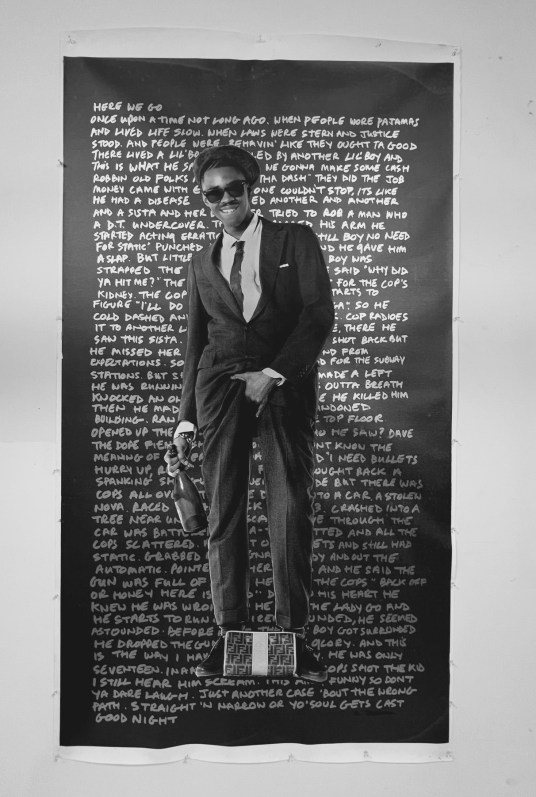
When we see a rapper performing with an orchestra, it’s tempting to describe the moment as Hip Hop being “elevated.”
I don’t particularly like that word.
An orchestra doesn’t make Hip Hop more important. A violin doesn’t make a drum machine more legitimate. A concert hall doesn’t make a block party more culturally valuable.
Illmatic didn’t become important when it reached the Kennedy Center.
It was important before the Kennedy Center called.
That’s a distinction we should protect.
The interesting thing about these orchestral performances isn’t that Hip Hop is finally becoming sophisticated.
Hip Hop has always been sophisticated.
The interesting thing is that we’re developing new ways to revisit the work.
Jazz has standards. Classical music has repertoire. Theater has revivals. Film has retrospectives. Visual art has exhibitions.
What are Hip Hop’s rituals?
Maybe an album being performed in its entirety 20 or 30 years later becomes one of them. Maybe artists reinterpret their work with live instrumentation. Maybe DJs reconstruct the samples. Maybe producers explain how records were made. Maybe photographers exhibit the images that defined an era. Maybe designers recreate the clothes and album artwork.
And maybe museums created by the culture connect all of those pieces so we understand that the record, the sneaker, the flyer, the photograph, the neighborhood and the people were never separate stories.
They were all part of the same culture.
Preservation Is Bigger Than Music
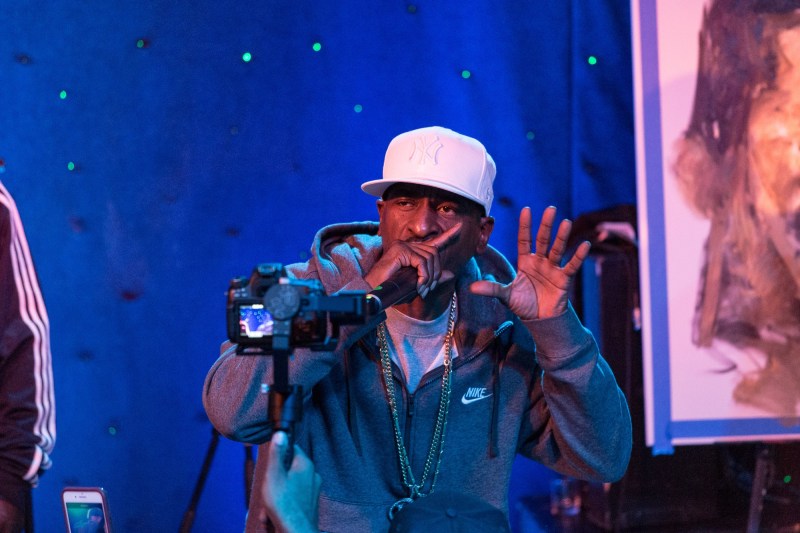
If we’re serious about preserving Hip Hop, this conversation can’t stop with albums.
We have to think about flyers, photographs, mixtapes, turntables, notebooks, sneakers, clothing, magazines, graffiti sketches, video footage, radio recordings, ticket stubs, business documents and the stories people carry around in their heads.
Some of the most important artifacts in Hip Hop history probably aren’t sitting inside museums right now.
They’re sitting inside people’s homes, closets and storage units. They’re on old hard drives and inside shoeboxes. They’re sitting in somebody’s mother’s basement because nobody has decided they’re historically important yet.
That’s how culture disappears.
Not always because somebody deliberately destroys it.
Sometimes we simply don’t recognize history while we’re living through it.
A museum dedicated specifically to Hip Hop can help change how we think about those objects.
A flyer isn’t just an old piece of paper. It can tell us how people organized before social media.
A photograph isn’t just an old picture. It can show us who was actually in the room before somebody writes the official history.
A turntable isn’t simply obsolete technology. It helps explain how people used existing technology to invent something new.
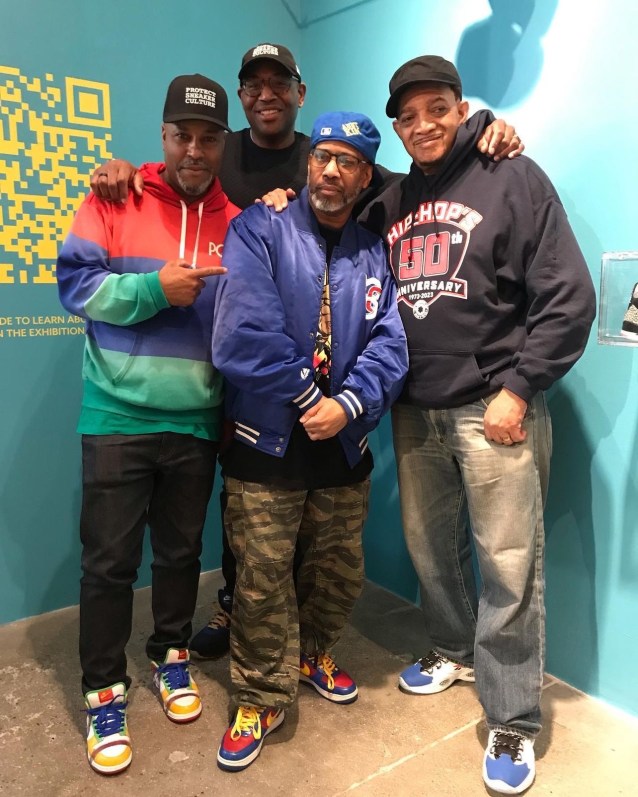
A sneaker isn’t simply something somebody wore. It can document the relationship between music, fashion, identity, sports and commerce.
That’s what preservation does.
It gives objects context.
We Need Institutions, But We Also Need Our Own
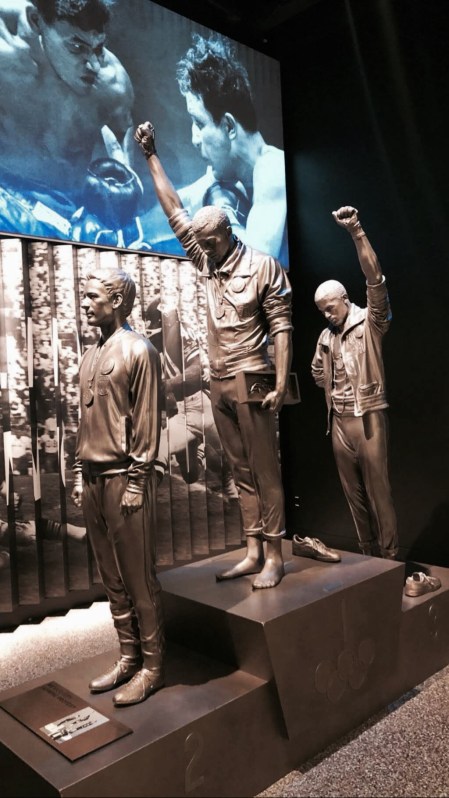
(Photography by DeJongh “Dee” Wells)
I don’t think the answer is choosing between the Smithsonian and The Hip Hop Museum.
We need both.
We need museums with professional archivists who understand conservation. We need universities conducting research. We need libraries collecting oral histories. We need cultural institutions with the resources to protect fragile objects for generations.
But we also need institutions created by people who understand the culture from the inside.
That is what makes The Hip Hop Museum so important.
It isn’t evidence that Hip Hop has finally been accepted by the museum world.
It’s evidence that Hip Hop has matured enough to build a museum world of its own.
And that shouldn’t stop with one museum.
We need archives.
Educational programs.
Community collections.
Oral-history projects.
Independent publications.
Digital repositories.
Youth programs.
Regional institutions that preserve what Hip Hop looked and sounded like in Atlanta, Los Angeles, Houston, Chicago, New Orleans, Detroit, Philadelphia, Miami and everywhere else the culture developed its own language.
We need people documenting what is happening right now instead of waiting 30 years to decide whether it mattered.
Because preservation isn’t only about the past.
Preservation is a decision we make in the present about what we believe the future deserves to know.
The Next Generation Needs More Than a Playlist
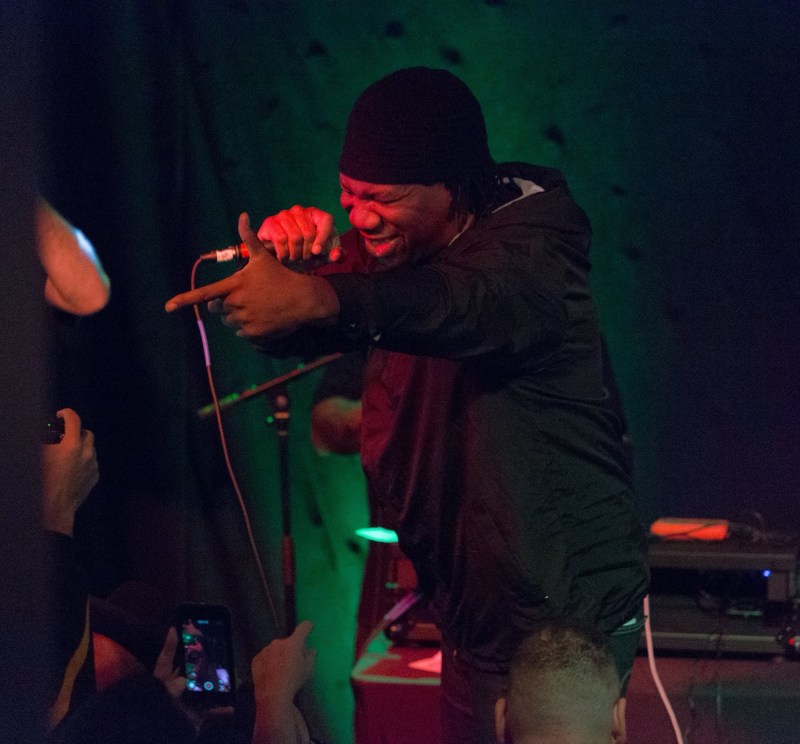
One of the challenges with streaming is that nearly everything feels like it happened at the same time.
A 16-year-old can hear a record from 1988 immediately followed by something released yesterday. That’s incredible access, but access isn’t the same as context.
Knowing the song isn’t the same as knowing the story.
Who made it? Where did it come from? What was happening in that city? What technology existed? What did it change? Who did it influence? Why did people care?
That’s where preservation becomes education.
And this may ultimately be one of the most important things The Hip Hop Museum can do.
A young person shouldn’t only be able to hear Grandmaster Flash, Run-DMC, Public Enemy, Salt-N-Pepa, Nas, Lil’ Kim or whoever comes next.
They should be able to understand the world that produced them.
The goal isn’t to force young people to love everything previous generations loved. They’re supposed to create their own culture too.
But they should have access to the story.
Then they can decide what to do with it.
Hip Hop Is Old Enough to Protect Itself
Hip Hop is 53 years old.
That means we’re reaching a point where people who were there at the beginning are elders. Some of them are already gone.
The generation that experienced Hip Hop’s first 20 years firsthand carries knowledge that can’t be recreated by an algorithm, documentary or Wikipedia page after they’re gone.
So maybe the next stage of Hip Hop isn’t about proving that the culture belongs inside prestigious institutions.
We’ve already proven that.
Maybe the next stage is making sure we’re building institutions strong enough to preserve the culture whether anybody invites us inside or not.
That’s why what is happening in the Bronx matters.
The Hip Hop Museum isn’t important because Hip Hop finally gets to have a museum.
It’s important because the culture is taking responsibility for its own memory.
And because Hip Hop changed the world, preserving that memory isn’t only important to the Bronx.
It belongs to everyone trying to understand one of the most influential cultural movements of the last half-century.
That doesn’t mean rejecting museums, universities, orchestras or concert halls.
It means entering those spaces knowing that their recognition isn’t what gives the culture its value.
Hip Hop had value when it was happening in parks. It had value when flyers were being handed out on street corners. It had value when DJs were plugging equipment into whatever electricity they could find. It had value when people outside the culture didn’t understand it.
And it has value now.
Rick Ross performing a 20-year-old album with an orchestra isn’t interesting because an orchestra finally makes Hip Hop worthy of preservation.
It’s interesting because Hip Hop has reached an age where we are beginning to look backward while still moving forward.
That’s a healthy thing for a culture to do.
The question now is whether we’re going to leave the responsibility of deciding what mattered to somebody else.
Or whether we’re going to build—and support—the museums, archives, classrooms, performances, traditions and rituals necessary to tell our own story.
The Hip Hop Museum shows us that work has already begun.
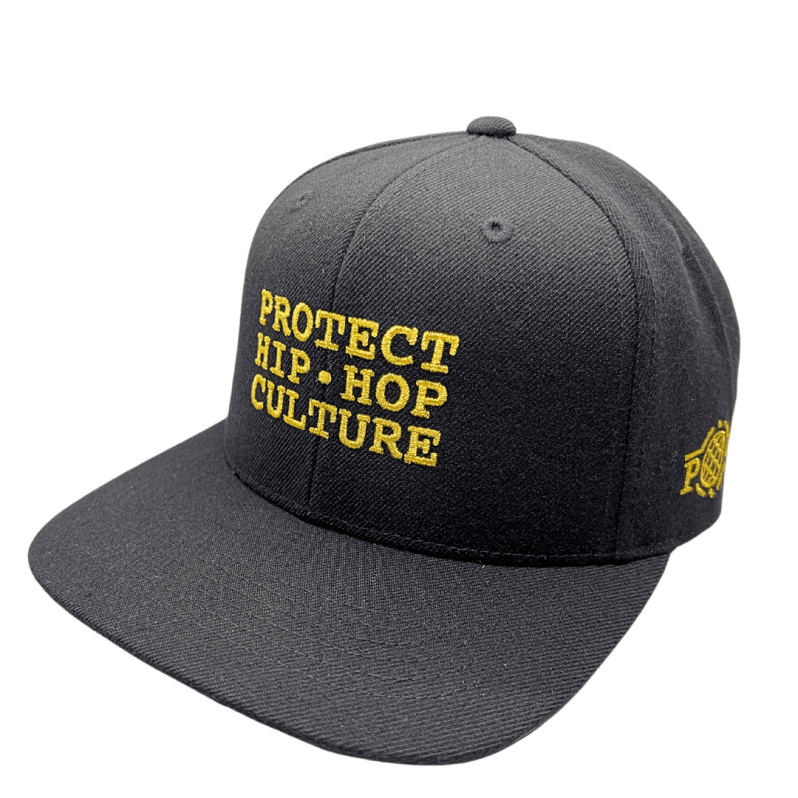
Protecting Hip Hop culture means more than remembering the songs.
It means protecting the context that made those songs matter.
 Protect Our Culture — Stories
Love it as always Big Bro.
LikeLike
Thank you for reading and commenting, brother!
LikeLike