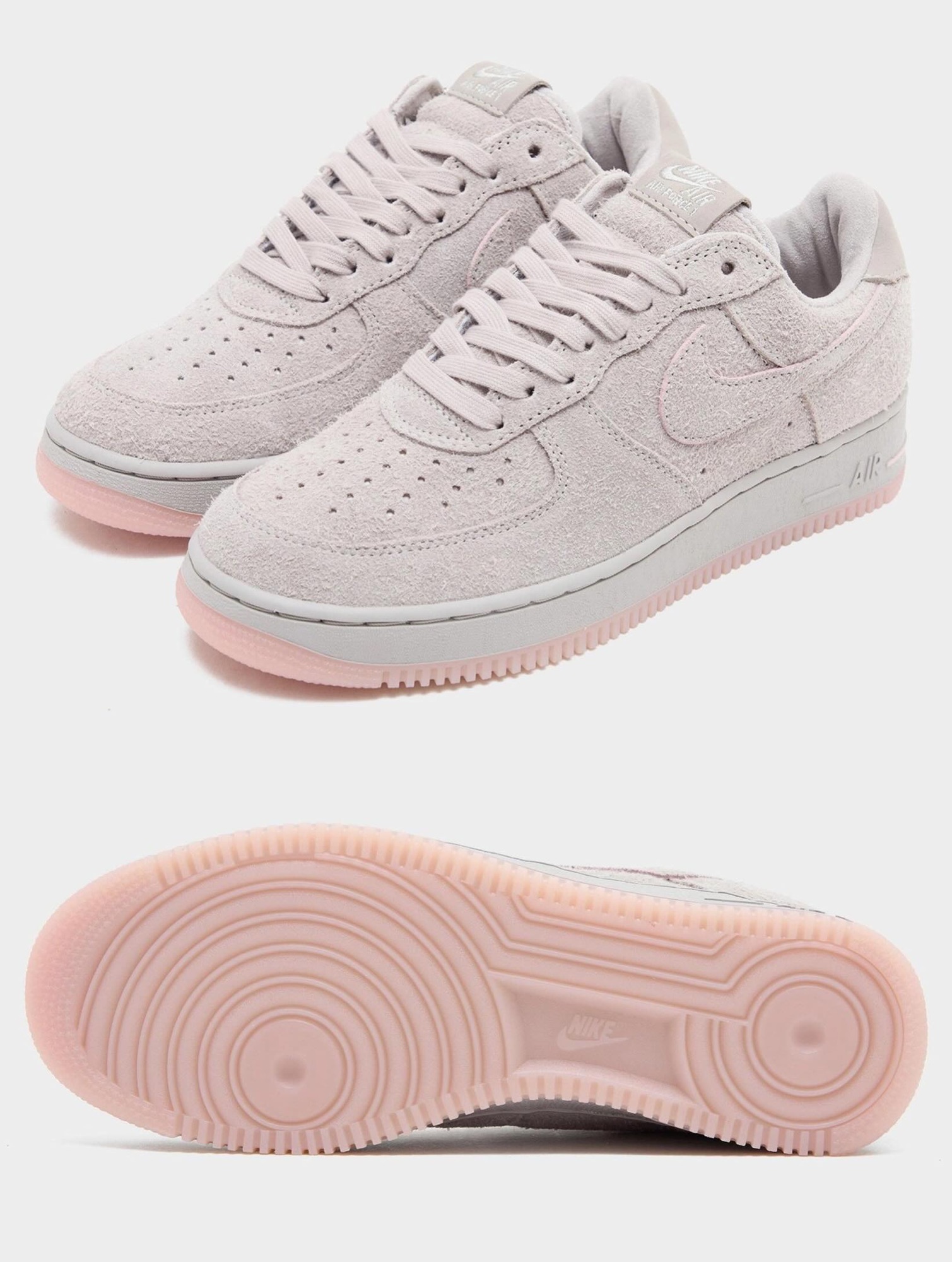
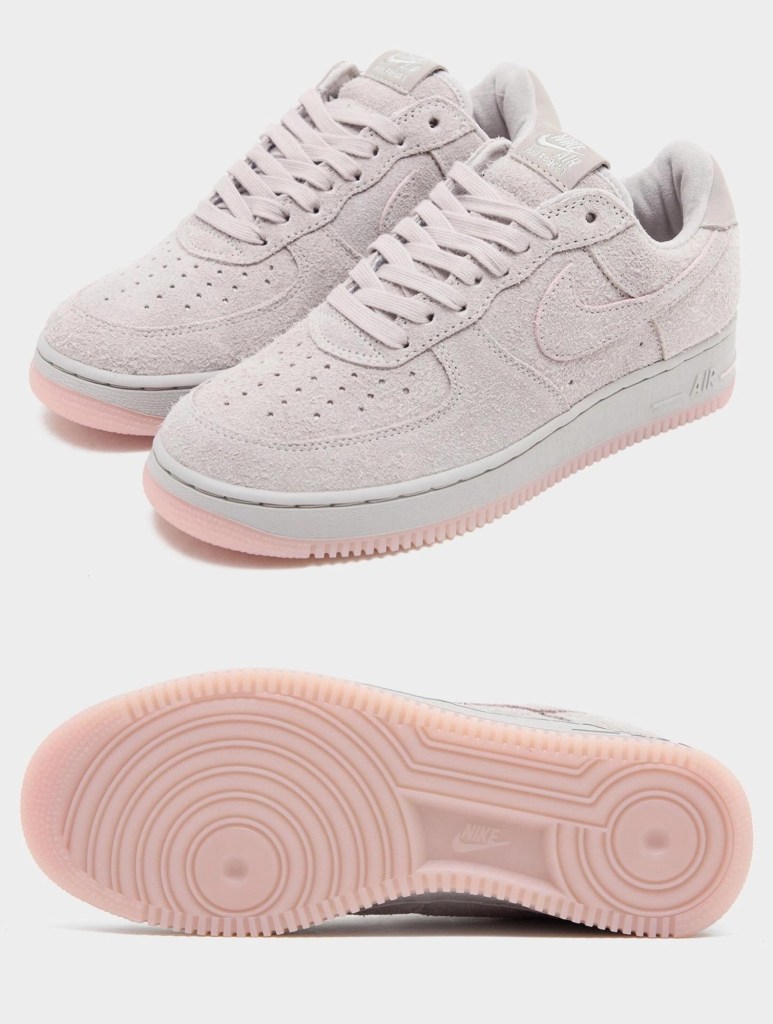
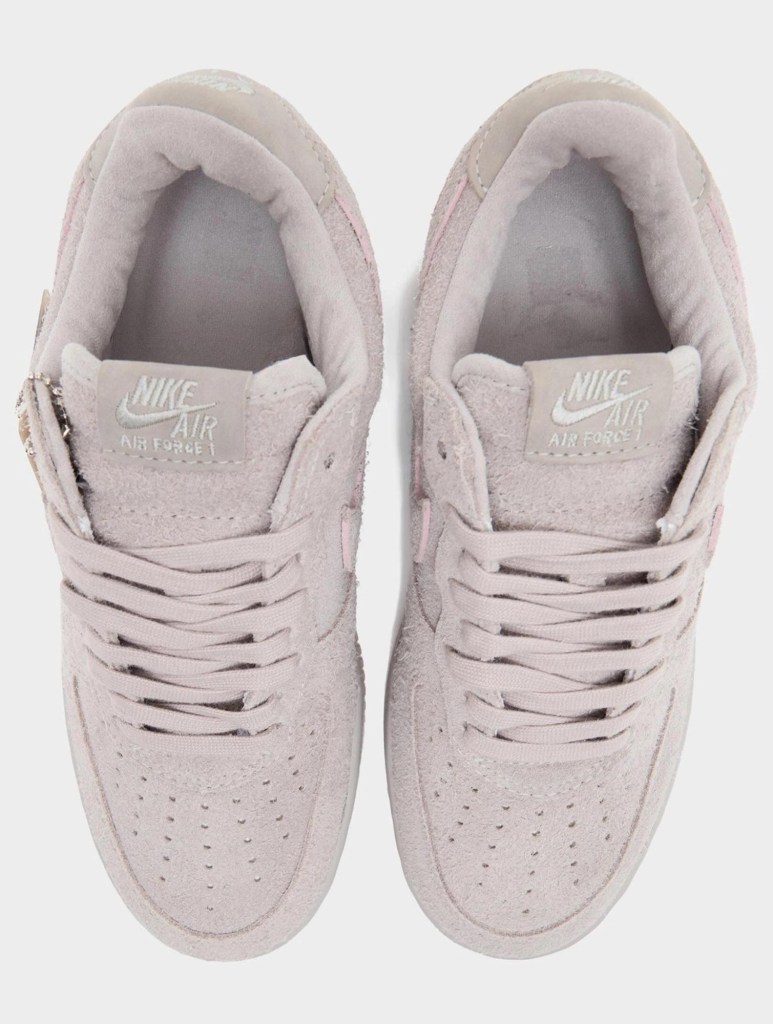
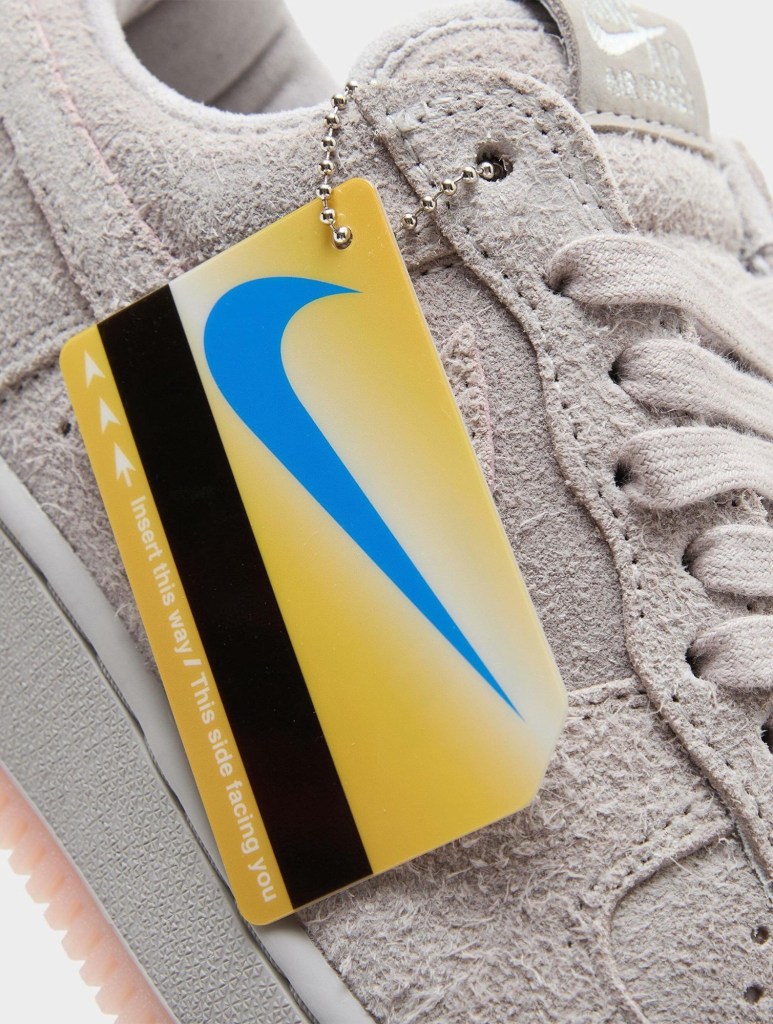
There’s a new Air Force 1 dropping this holiday season. Nike’s internal name for it is something like “College Grey/Pink Glaze.” Somewhere in a design studio, a team spent months getting the shaggy suede texture right, the pink outsole just muted enough, the little MetroCard-style hangtag perfectly dialed in, right down to swapping the MTA’s black magnetic stripe text for a Swoosh.
None of that is what people are calling it.
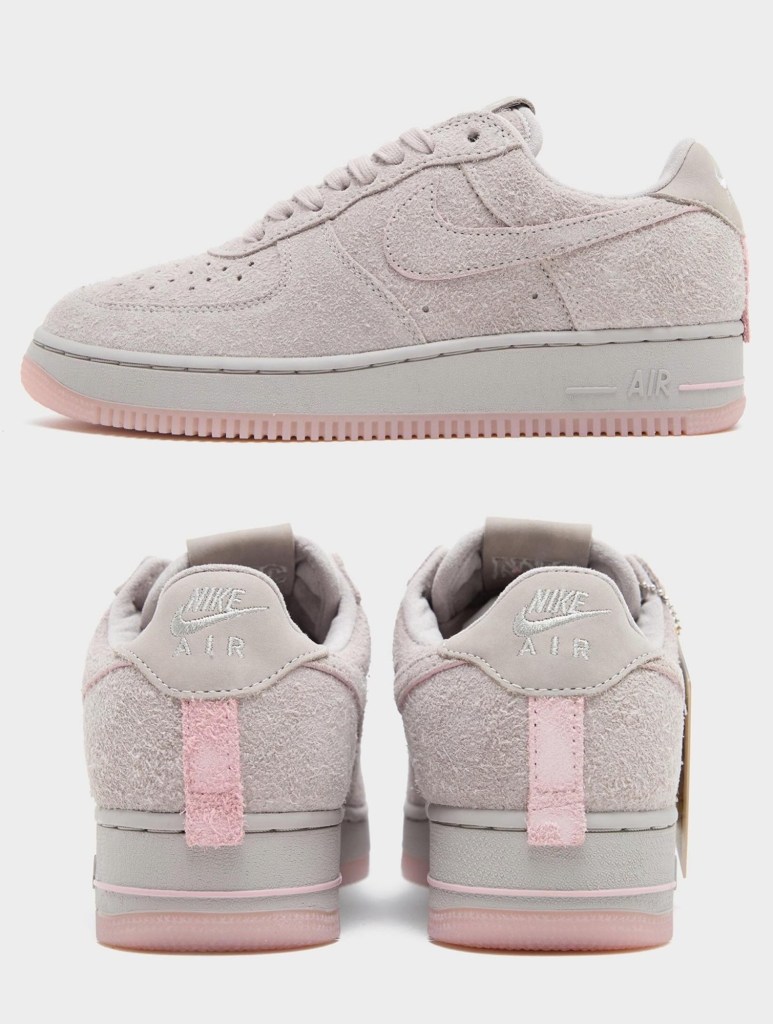
Sneakerheads looked at the grey fur, the pink accents, the elongated heel tab standing in for a tail, and decided this shoe is a rat. Not a cute one. A subway rat. And within days, “NYC Subway Rat” was the only name anyone used… including, eventually, the sneaker media covering the release.
Nike built the shoe. The culture named it. And the name is the part that’s going to last.
This is not a one-off. It’s the pattern.
Jordan Brand didn’t call it the “Bred.” Nike didn’t design a colorway called “Panda.” The company that made the Yeezy Boost never once wrote “Zebra” on a spec sheet…that came from people looking at black-and-white stripes and immediately knowing what it reminded them of. The official name sits on a box label nobody reads twice. The street name is what gets said out loud, texted to a friend, typed into a resale app’s search bar.
There’s something important buried in that gap. A company can engineer the material, the silhouette, the colorway, the marketing budget behind it. What a company cannot engineer is meaning. Meaning gets assigned by the people who actually live with the product…who see it on a train platform, in a cousin’s closet, on a corner they grew up on, and decide what it looks like to them. That process is completely out of a brand’s control, and that’s exactly why it’s the part that sticks.
The name is a form of ownership.
When a community renames a product, they’re doing more than being clever. They’re taking something mass-produced and running it through their own lived experience — their references, their humor, their neighborhood, their history — until it comes out the other side as something that belongs to them. “Subway Rat” isn’t just a joke about a shoe’s color. It’s a New Yorker’s joke. It only works if you’ve stood on a platform at 2am and watched one of these things dart along the tracks like it pays rent. That’s not a marketing insight. That’s culture doing what culture does — taking a mass-produced object and making it local, specific, and personal.
Why this matters beyond sneakers.
I spend a lot of my time speaking with young people about how culture becomes a career…how the things they already love, already notice, already have opinions about, are actual pathways into design, marketing, media, and entrepreneurship. This naming phenomenon is one of the clearest examples I can point to.
Every brand wants cultural relevance. Very few understand that cultural relevance isn’t something you can design in a lab or buy with an ad spend. It’s granted, after the fact, by people, and it’s granted through language. The names that last (Pigeon Dunk, Bred, Chicagos, Subway Rat) weren’t approved by any marketing department. They were handed down by the people who noticed something true about the product and said it out loud until everyone else agreed.
If you work in product, design, or brand strategy, the lesson isn’t “come up with a catchier internal name.” It’s the opposite: build something specific and honest enough that people want to rename it. The best thing a company can do is get out of the way and let the culture do what it does best — turn a product into a story.
Nike didn’t design the Subway Rat. New York did.
 Protect Our Culture — Stories