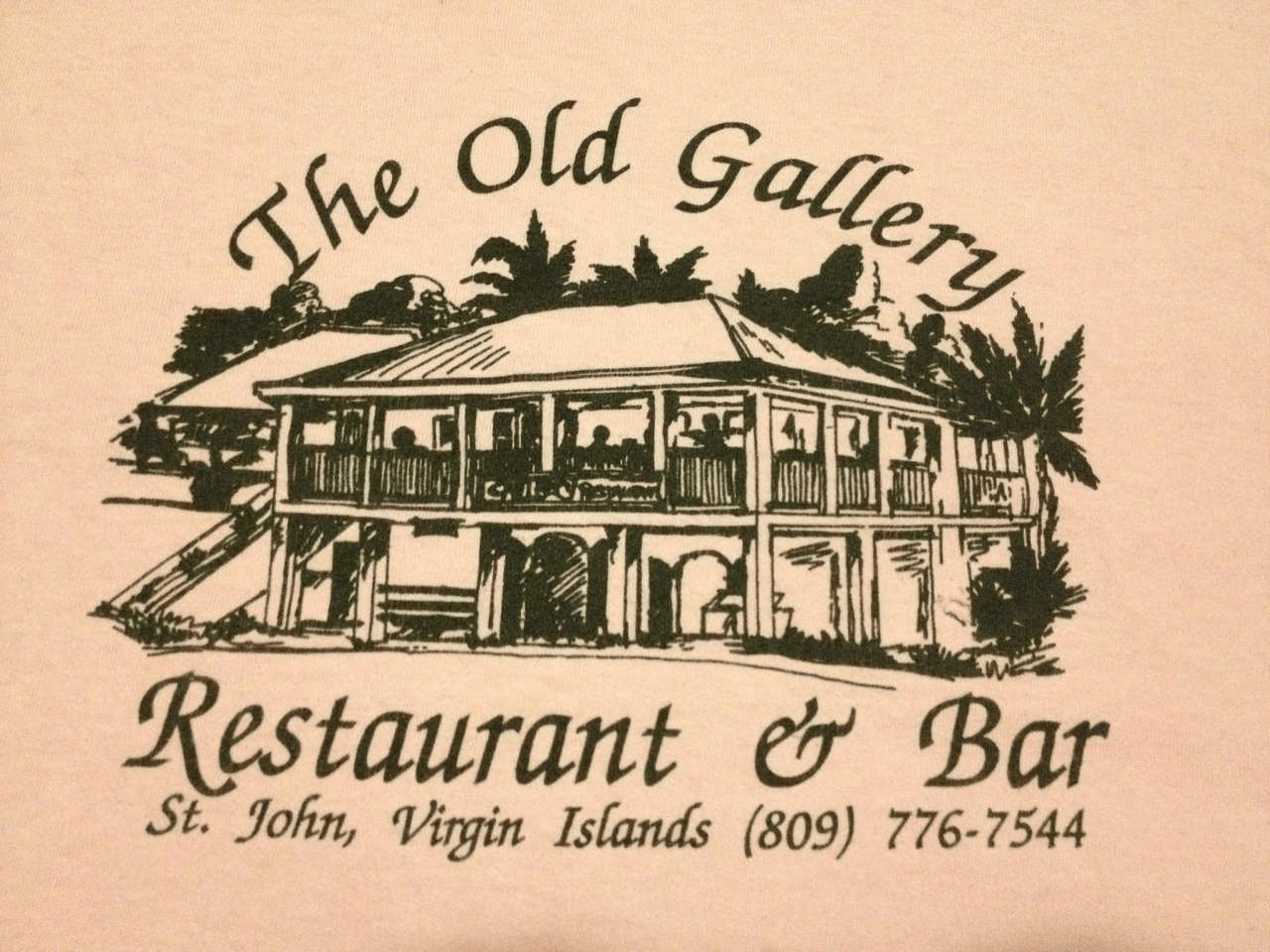
My first classroom didn’t have desks.
It had a kitchen, a dining room, tourists looking for an experience, and locals looking for community. From 1986 to 1991, my family owned and operated The Old Gallery Restaurant & Bar on St. John, Virgin Islands. At the time, I didn’t think of it as an education. It was just life.
I thought about that restaurant this week when I learned about Croix — a new Caribbean concept that just opened on the ninth floor of the Cambria Hotel near Navy Yard in Washington, D.C. The space includes the restaurant, a Botanic Bar, and an open-air veranda. For some people, it’s just another restaurant opening.
For me, it was a memory that unlocked a lesson I’ve been teaching ever since.
The Curriculum Was Culture
When your family owns a restaurant, you see everything the customer never sees.
The preparation. The inventory. The customer service. The math behind a slow Tuesday. The energy behind a packed Friday night. You learn what happens before someone walks through the door and long after they leave.
You also learn something that took me years to fully articulate:
A customer isn’t just buying a meal. They’re buying an experience — and whether they realize it or not, they’re taking a little piece of your culture home with them.
Hospitality taught me how to welcome people. Working around tourists taught me how people experience a place that isn’t their home. Watching a family business operate taught me entrepreneurship before I ever heard the word. Food taught me culture. Conversations taught me people.
Those lessons didn’t stay inside The Old Gallery. They followed me into marketing. Into the sneaker industry. Into museums, events, and cultural storytelling. Into education and youth development. And today, they’re central to the work I do with Protect Our Culture.
What Croix Got Right
Caribbean culture can easily become an aesthetic.
Palm trees. Rum drinks. Bright colors. Reggae playing in the background. Throw the word “island” on the menu and call it Caribbean.
But culture is deeper than decoration.
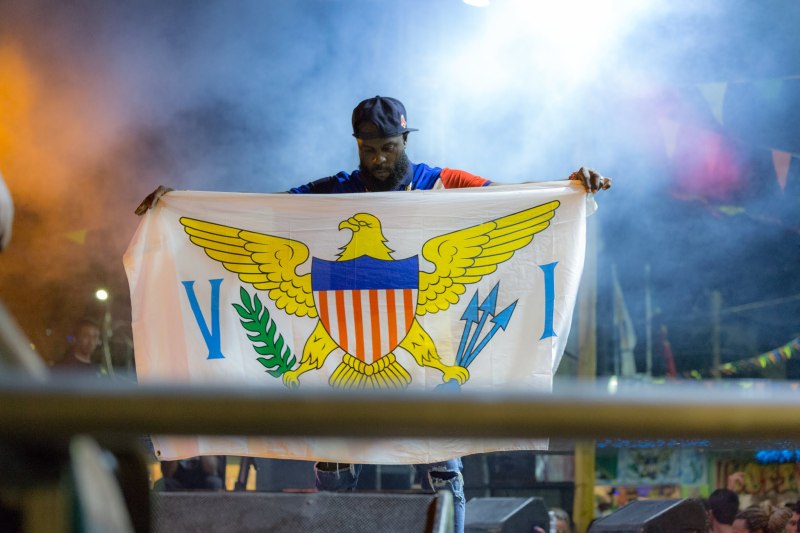
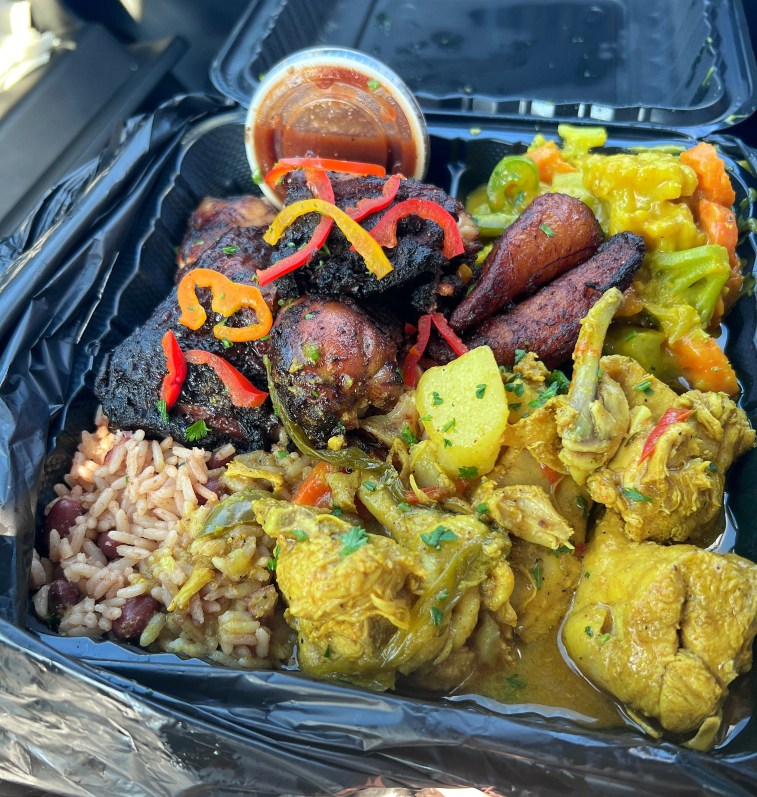
According to Eater DC, restaurateur Keem Hughley’s mother is from St. Croix. The menu dedicates roughly a quarter of its dishes specifically to Crucian cuisine — callaloo prepared the Crucian way, rice and pigeon peas, pates, casabes made from cassava, rum-soaked black cake. The Botanic Bar incorporates sorrel, soursop leaf, guavaberry, fever grass, and pimento leaf.
Those details matter.
Because ingredients carry stories. Recipes carry memory. Food tells us where people came from, what was available to them, what they created, and what they passed forward. There’s a difference between borrowing a culture’s aesthetics and actually representing its knowledge.
Culture Travels — But It Never Loses Its Address
Caribbean people understand this particularly well.
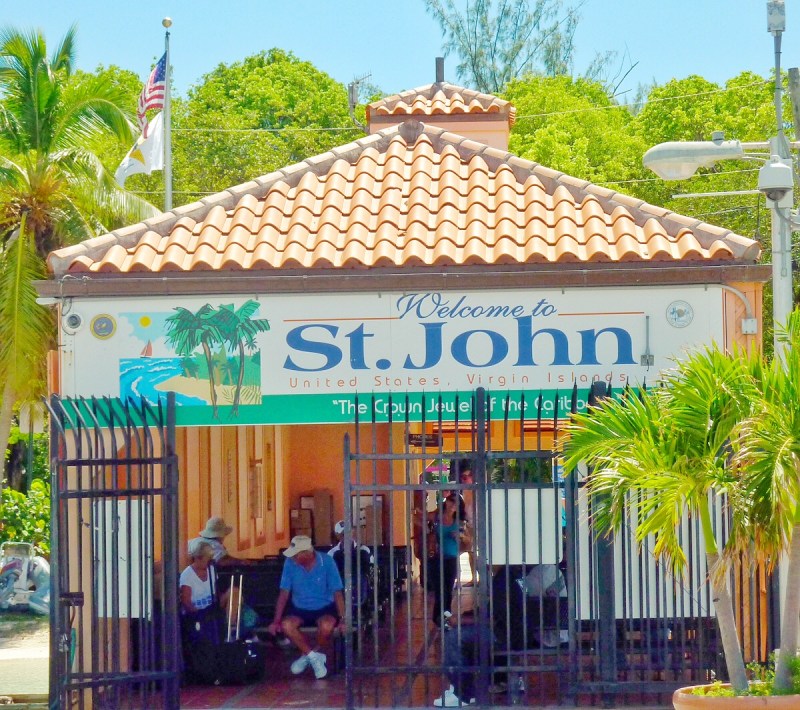
We leave St. Croix, St. Thomas, St. John, Jamaica, Trinidad, Barbados, Haiti, and islands throughout the region. We build lives elsewhere. But we don’t leave everything behind.
We take our food. Our music. Our language. Our stories. Our rhythms. Our traditions. Our way of gathering.
And those things begin influencing the communities where we land.
That’s why I love the idea of someone sitting on a rooftop in Washington, D.C., eating callaloo and asking: “What’s callaloo?”
Or seeing guavaberry on a menu and asking: “What is that?”
Or hearing the word Crucian for the first time.
Those questions matter. Because questions create curiosity. And curiosity creates an opportunity to tell the story.
Culture Has Economic Value — and We Have to Name That
Here’s the part of the conversation we often skip:
Culture creates economic opportunity. Food creates jobs. Music creates jobs. Fashion creates jobs. Festivals create jobs. Tourism creates jobs. The knowledge we inherit from our communities has real, measurable value.
But there’s an important distinction between extracting value from culture and creating value through it.
When a cultural experience becomes commercially successful, we should still be able to answer:
Who created it? Where did it come from? Whose traditions are being represented? Who is telling the story? And who benefits economically?
Protecting culture includes protecting the economic story too.
One Meal Can Open a Door
Someone eating at Croix may have never thought about the U.S. Virgin Islands before. But maybe they taste something unexpected. They ask a question. They search St. Croix. They learn about Christiansted and Frederiksted. Maybe they become curious enough to visit — and when they do, they stay in a hotel, eat at a local restaurant, buy from a local business, hire a local driver, listen to a local musician.
That’s how cultural and economic ecosystems connect.
A restaurant in D.C. can’t do all of that. But it can open the door.
Protecting Culture Doesn’t Mean Hiding It
I want to be clear about this, because it matters:
Protecting culture doesn’t mean putting it behind glass and telling everyone else they can’t touch it.
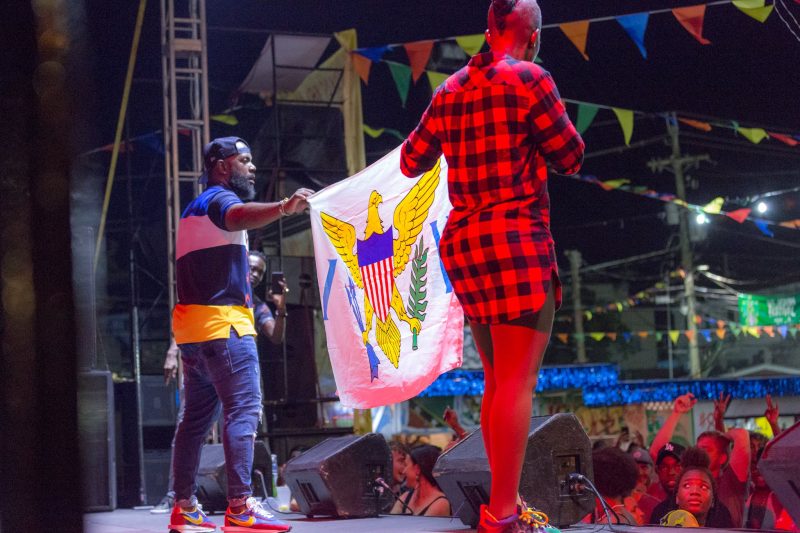
It means knowing the story well enough to share it responsibly. Giving credit. Preserving knowledge. Creating economic opportunity. Making sure the people and places that built something aren’t erased once that something becomes valuable. And passing what we’ve learned to the next generation.
When I look at that old t-shirt from The Old Gallery Restaurant & Bar, I don’t just see a logo from a restaurant that’s been gone for thirty years.
I see a classroom.
I see entrepreneurship.
I see hospitality.
I see St. John.
I see my family.
And I see the beginning of lessons that would shape much of what I’ve done with my life.
Now, decades later, there’s a restaurant on a rooftop in Washington, D.C. with Croix on the door and Crucian food on the menu.
That’s worth paying attention to.
Because every time someone asks — “Why is this place called Croix?” — we have another opportunity to tell the story.
Protect the story. Protect the knowledge. Protect the people. Protect Our Culture.
 Protect Our Culture — Stories