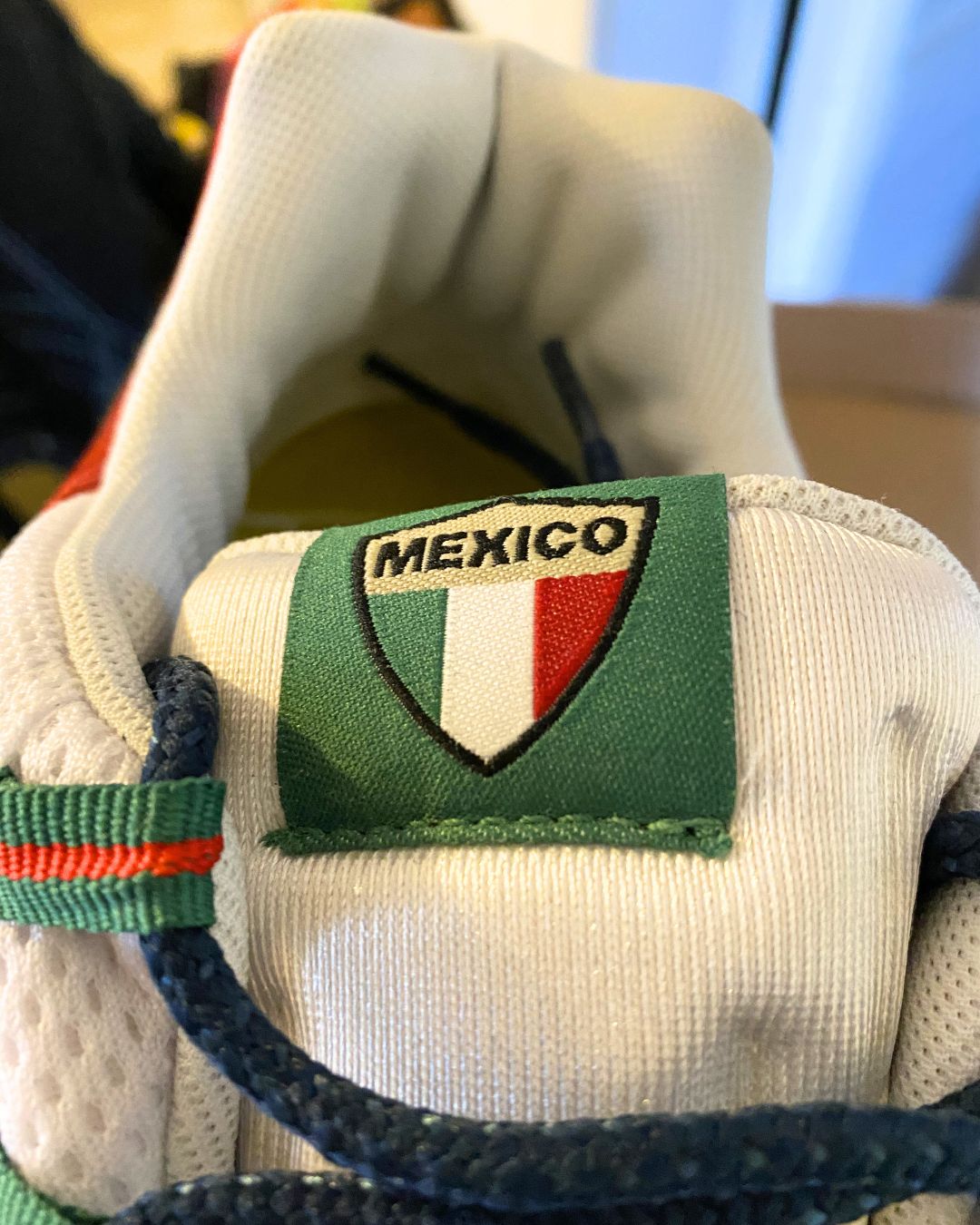
Today, the ball rolls. In Mexico City, inside the stadium most of us still know as the Azteca, Mexico and South Africa walk onto the pitch, and the largest World Cup in history begins. Forty-eight nations. Three host countries. One hundred and four matches stretched across thirty-nine days and sixteen cities from Vancouver to Monterrey to right here in the United States. By the time the final is played at MetLife on July 19, billions of people will have watched, argued, cried, and celebrated together.
But I’m not here to talk about brackets and box scores. I want to talk about what this moment actually is. Because the World Cup has never really been about soccer. It’s about us.
A Game That Belongs to Everyone
There’s a reason they call it the beautiful game. You don’t need money to play it. You don’t need a court, a net, expensive gear, or even a real ball. A rolled-up sock, two backpacks for a goal, a patch of dirt, or concrete or beach — that’s enough. I grew up in the Virgin Islands, and I know that wherever you go in the world, kids are playing this game with whatever they have. That accessibility is the whole point. Soccer is the people’s game because the people own it.
So when the World Cup arrives, it isn’t a sport visiting a country. It’s a mirror being held up to humanity. Every team that walks out carries a nation’s history, its struggles, its joy, and its way of seeing the world. South Africa stepping onto that field today isn’t just eleven athletes — it’s a reminder of 2010, the first World Cup ever held on the African continent, and the way an entire continent demanded to be seen. These two teams met on June 11 sixteen years ago to open that tournament. Today they meet again. That’s not a coincidence. That’s storytelling, and the game knows how to tell its own story.
Culture Walks Out With Every Team
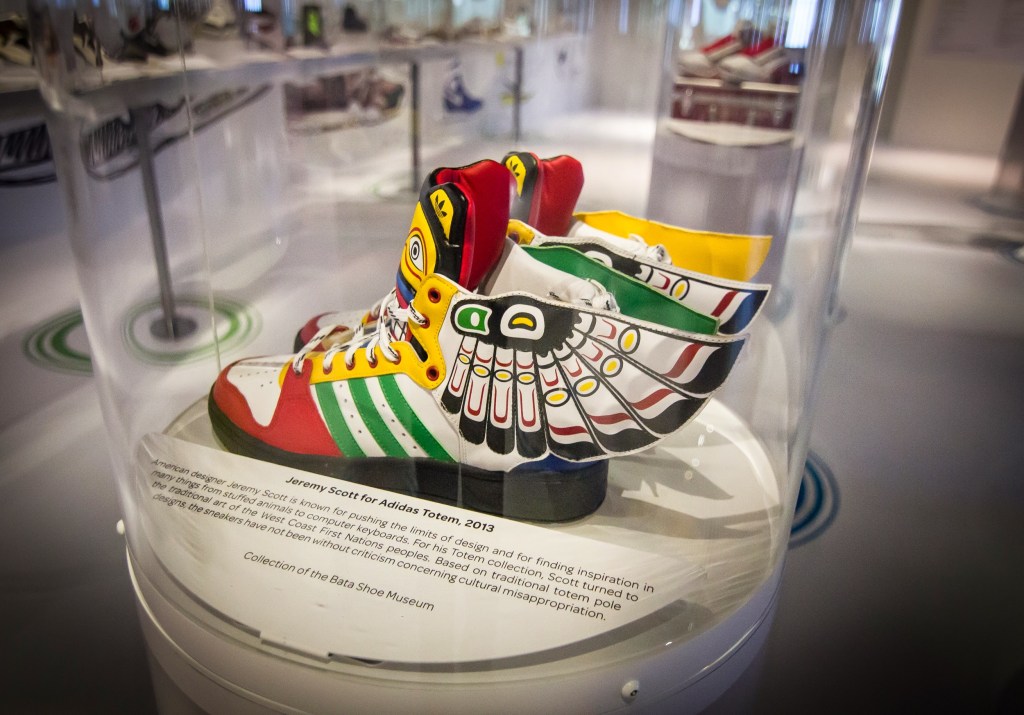
Watch closely over the next month, and you’ll see something deeper than athletics. You’ll see culture move.
You’ll see it in the way a Brazilian midfielder treats the ball like it’s part of a dance. You’ll see it in the disciplined geometry of a German side, the flair of West African attackers, the heart of a Central American team that fought through qualifiers nobody believed they could survive. Each style of play is shaped by where it comes from…the streets, the climate, the music, the history of a place. The way a nation plays soccer tells you something about that nation.
The opening ceremony today celebrates Mexican culture through Indigenous performers, folkloric acts, and papel picado — the cut-paper art that’s hung at celebrations for generations. Shakira and Burna Boy will perform the tournament’s official song, a Colombian and a Nigerian sharing one stage, which is its own kind of statement about how connected this world has become. Over the next two days, ceremonies in Canada and the United States will bring together artists from across continents. This is what culture looks like when it refuses to stay in its lane.
Identity, Belonging, and the Jersey You Wear
Here’s something I always tell young people: the things you love are not separate from who you are. They’re clues.
Think about what a national jersey means. For a kid whose family immigrated, wearing your home country’s colors — or choosing which country to root for at all — is a question about identity, loyalty, and belonging. Millions of people in this country will spend the next month deciding who they cheer for, and those choices say something honest about heritage, memory, and the families that raised them. A flag draped over your shoulders in a stadium in Houston or Atlanta is a way of saying I am from somewhere, and I am here now, and both of those things are true.
That tension — being from one place and living in another — is something I understand deeply, and it’s something this tournament makes visible on a global scale. The World Cup is one of the few stages on earth where it’s not only okay to claim your roots loudly….it’s celebrated.
The Game as a Pathway
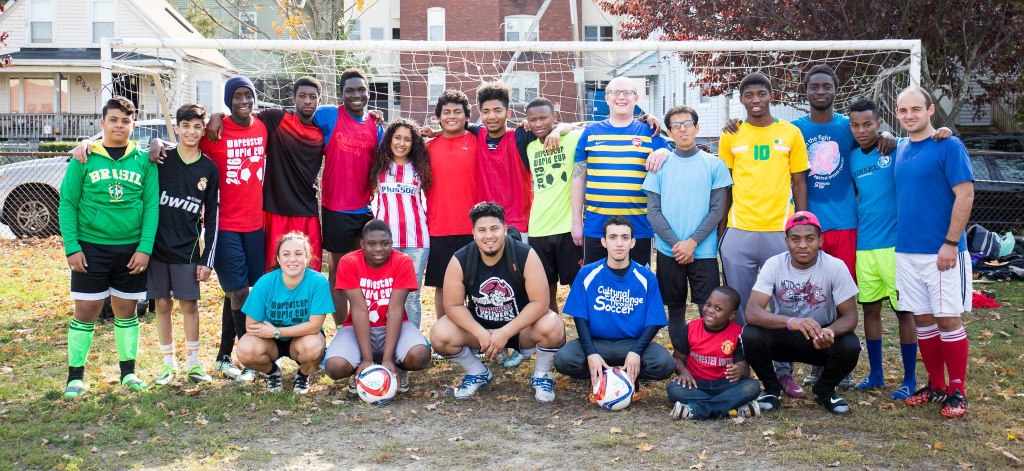
I spent a good portion of my life teaching young people that the things that culture creates — sneakers, fashion, music, media, sport — are not distractions from “real” careers. They are real careers, and real industries, and real forms of power.
The World Cup is proof. Look at everything happening around these matches, and you’ll see thousands of jobs that have nothing to do with playing. Designers built the kits. Photographers and filmmakers will capture the images we remember for decades. Marketers, broadcasters, writers, event planners, translators, chefs, security teams, app developers, social media creators — an entire economy moves when this tournament does. The players are the spark, but the whole world of work around them is where most people actually find their place.
So if you’re young and you love this game but you’re not going pro….good. Most of us aren’t. The question isn’t “Can I be a star?” The question is “How do I turn what I love into how I live?” The World Cup answers that question in front of you for a month straight. Pay attention to who’s building it.
Why It Matters Now
For the first time, this tournament is being shared across three countries — the United States, Mexico, and Canada — at a moment when borders and belonging are some of the hardest conversations we’re having. There’s something powerful about that. Three nations choosing to host the world together, fans crossing those borders to follow their teams, communities across North America getting behind something bigger than any one of them.
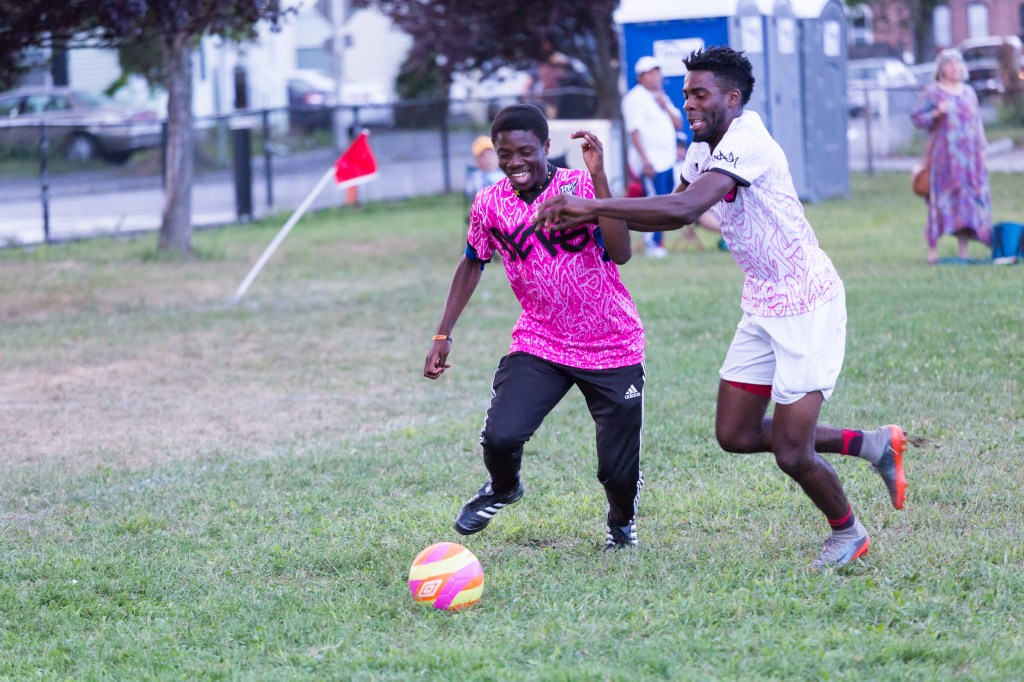
The game won’t solve our hardest problems, but for thirty-nine days, it gives us a shared language. A reason to gather. A way to see a stranger from across the planet, watch them celebrate a goal exactly the way we do, and recognize ourselves in them.
That’s what the world’s game has always offered. Today, it comes home to us. Let’s not just watch it — let’s understand what it’s showing us who we are, and who we could be.
The ball is rolling. The world is watching together. Welcome to the 2026 World Cup.
 Protect Our Culture — Stories
This is a beautiful breakdown of what the tournament actually represents. Connecting identity, history, and culture to the game makes it mean so much more. Proud to see you dropping these deep pieces, Dee!
LikeLike